
If you are looking for dental crowns in Sunninghill, Roodepoort, crowns can restore a weakened, cracked, heavily filled, or root-treated tooth with a custom-made cap that protects what remains. At Dr Chalita le Roux Inc in Amorosa, Roodepoort, we assess each case in person and plan the right crown material, design, and timing for your smile.
- Dental crowns cover and protect teeth that are damaged, worn, or structurally weakened.
- Many suitable crowns can be planned with digital scans and completed in one day where clinically suitable.
- A crown is chosen after an in-person assessment of the tooth, bite, and surrounding gums.
- Cost depends on material, lab work, the number of teeth, and the complexity of the case.
- Patients from Sunninghill can reach our Roodepoort practice by driving west on the N1 and connecting via the N14, with the trip usually running against the busiest commuter flow.
What are dental crowns and when are they used?
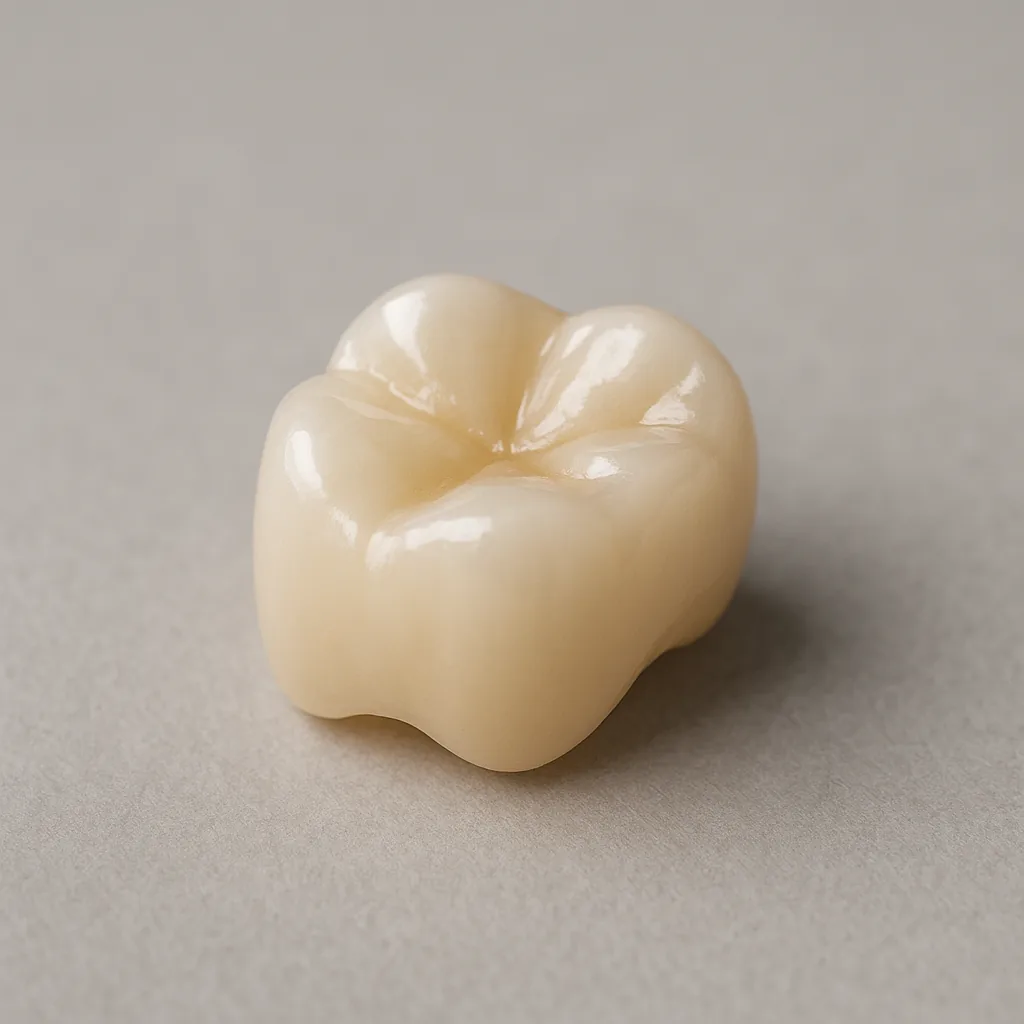
A dental crown is a custom-made restoration that fits over a tooth to rebuild its shape, strength, and appearance. We use crowns when a tooth is too weakened for a filling alone, when a crack needs protection, after root canal treatment, or when a heavily worn tooth needs structural support.
A crown is not chosen just because a tooth looks a certain way. We assess the tooth in person, check the bite, review the surrounding teeth and gums, and decide whether a crown is the right option or whether another treatment would suit the tooth more appropriately. The goal is to restore function as well as appearance.
Why would a patient from Sunninghill travel to Roodepoort for crowns?
For many patients from Sunninghill, Roodepoort is a practical destination when they want a restorative or cosmetic result that is planned carefully and delivered efficiently. The practice is a straightforward drive via the N1 and N14 toward Roodepoort, and that route often moves against the heaviest peak commuter flow from the northern suburbs.
The convenience is stronger when a case is suitable for digital dentistry. We use digital scanning and CEREC CAD/CAM where appropriate, which means many crowns and related cosmetic restorations can be completed in a single visit after the planning appointment. That can reduce repeat trips, shorten the time spent away from work or family, and suit patients who want a destination result without weeks of back-and-forth.
What happens during a crown consultation?
Your visit starts with an examination, photographs or scans where needed, and a discussion about the tooth, your bite, and your expectations. We explain whether the tooth needs a crown, what material may suit it, and whether the shape and shade can be matched to the rest of your smile.
If the tooth is suitable for a same-day workflow, the crown may be designed digitally and completed during the treatment visit. In other cases, we plan the restoration in stages. The exact approach depends on the clinical findings, and we decide that with you after a full consultation.
How much do dental crowns cost and what affects the cost?
The cost of a crown depends on the material used, the amount of lab work involved, the number of teeth being restored, and how much preparation the tooth needs before the final restoration can be placed. Cases that need more detailed cosmetic matching, more complex bite adjustments, or additional treatment before the crown is made can also affect the overall cost.
In general, a simpler restorative crown sits in a lower tier, while more cosmetic or more technically demanding cases sit in a moderate or higher tier. We discuss the options clearly at the consultation so you understand what is included and why. An exact, personalised estimate is given after the consultation, in writing, before any treatment starts.
How do digital scans and same-day crowns help?
Digital scanning replaces conventional messy impressions for many cases and helps us capture the tooth in detail. With CEREC CAD/CAM, the crown can be designed digitally and milled in the practice where clinically suitable, which can make the process more efficient and comfortable for the patient.
This workflow is especially useful for patients travelling in from Sunninghill because it can mean one planning consultation, then everything done in one day next time for suitable cases. It reduces the number of visits, limits time lost to repeated appointments, and makes the trip to Roodepoort more worthwhile when you want a carefully planned cosmetic or restorative result.
What a crown visit involves at our Roodepoort practice
| Step | What happens | What it helps with |
|---|---|---|
| Consultation | We assess the tooth, take scans or images, and confirm whether a crown is appropriate. | This clarifies the diagnosis and the right treatment plan. |
| Digital planning | We design the restoration and check the bite, shade, and shape where suitable. | This supports a natural-looking fit and a practical result. |
| Same-day workflow | Many suitable crowns can be completed in one visit using digital scanning and CAD/CAM. | This reduces repeat appointments and suits busy patients. |
| Lab-made workflow | Some cases are sent for laboratory fabrication when the case needs that approach. | This may suit more complex restorative or cosmetic situations. |
| Final placement | We fit the crown, check the bite, and confirm comfort and appearance. | This completes the treatment with a checked, functional result. |
| Aftercare guidance | We explain cleaning, eating, and review visits after the crown is placed. | This helps you care for the restoration properly. |
Related pages
Dental Crowns · Smile Makeovers · Cosmetic Dentistry · All treatments & service areas
Frequently asked questions
What teeth are usually suitable for a crown?
Crowns are commonly used on teeth that are cracked, heavily filled, worn, or weakened after root canal treatment. They may also be used when a tooth needs a stronger covering for long-term function or a more refined cosmetic result. The important point is that suitability is decided after an in-person assessment. We look at the tooth structure, bite forces, surrounding gum health, and how much tooth remains before recommending a crown.
Can a crown be done in one visit?
Many crowns can be completed in a single visit where clinically suitable, especially when digital scanning and CEREC CAD/CAM are appropriate for the case. Some teeth still need a laboratory-made crown or staged treatment, depending on the tooth, the bite, and the cosmetic goals. We will tell you during the consultation whether a same-day option is realistic for your situation.
How do I get to the practice from Sunninghill?
From Sunninghill, the most straightforward route is usually westward on the N1 and then via the N14 toward Roodepoort. The drive is typically around the 20 to 50 kilometre range depending on your exact starting point and traffic conditions. Patients often find the trip manageable because it runs against the heaviest flow of the morning and afternoon commuter traffic from the northern suburbs.
What does a crown look like once it is fitted?
A well-planned crown should blend with the surrounding teeth in shape and colour as far as the tooth and material allow. The finish depends on the condition of the tooth, the shade match, and the restoration type selected after assessment. We discuss the look you want before treatment starts so the restoration is planned with both function and appearance in mind.
Is a crown painful to get?
The treatment is planned with local anaesthetic when needed so that the tooth can be prepared comfortably. After the appointment, some tenderness or sensitivity can happen for a short time, especially if the tooth was already inflamed or heavily restored. We explain what to expect and how to care for the tooth after treatment so you know when recovery is following the usual pattern and when a review is needed.
How long does a crown last?
How long a crown lasts depends on the material, the quality of the underlying tooth, the bite, your oral hygiene, and habits such as clenching or grinding. Regular cleaning and scheduled reviews help support the restoration over time. We do not promise a fixed lifespan because every mouth is different, and we assess the likely outlook in person before treatment starts.
What should I do after getting a crown?
After a crown, you should keep brushing and flossing carefully, avoid chewing hard items on the new restoration until you are advised it is appropriate, and attend review visits if recommended. If the crown feels high, sore, or different when you bite, let us know so we can check it. Good home care and sensible use are important parts of protecting the tooth beneath the crown.
How do I know whether a crown or another option is right for me?
The right option depends on how much healthy tooth remains, whether the tooth is cracked or heavily filled, how the bite loads that tooth, and what appearance you want from the final result. In some cases a filling, inlay, veneer, or other restoration may suit the tooth more appropriately. We assess this in person and explain the options clearly so you can make an informed decision.
Book a consultation
To discuss dental crowns sunninghill with Dr Chalita le Roux, WhatsApp us on 083 710 9131, call 071 884 3204, or send us a message. We are in Amorosa, Roodepoort, open Monday to Friday, 08:00 to 17:00, with free on-site parking.
Written and clinically reviewed by Dr Chalita le Roux, BChD cum laude (University of Pretoria, 2020), HPCSA DP 0118702, member of the South African Academy of Aesthetic Dentistry. In private practice in Roodepoort since 2022.
This page is general information, not a diagnosis or treatment plan. What is right for your teeth is decided at a consultation with a registered dental practitioner.