
If you have searched for “dental crowns roodepoort”, this page covers what to expect at Dr Chalita le Roux Inc. in Roodepoort. Dr Chalita le Roux is BChD cum laude (UP 2020), HPCSA DP 0118702, SAAAD member. The practice is in Amorosa, Roodepoort, with free on-site parking and Mon-Fri 08:00-17:00 hours. Below: what the service or topic involves, who it suits, what to expect at your visit, and how to book.
Call us: +27 71 884 3204 · WhatsApp: 083 710 9131 · Email: info@drchalitaleroux.co.za
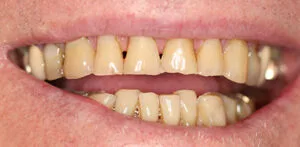
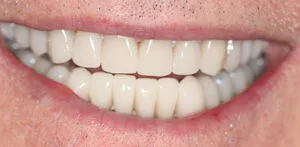
Before and after — an actual patient result at Dr Chalita le Roux, Roodepoort.
What this means in practice at our Roodepoort office
The honest answer for most cases is that the right approach depends on what we find at the clinical examination. We provide a written treatment plan before any work begins, in line with HPCSA transparency guidelines.
Who this is right for
What to expect at your visit
Your first appointment combines a clinical examination, photographs and digital scans where relevant, and discussion of the treatment plan. We share the written treatment plan before any work begins. You are under no obligation to proceed after the consultation.
The practice is at Unit 2, Amorosa Office Park, Corner of Doreen Road and Lawrence Road, Amorosa, Roodepoort, 2040. Free on-site parking. Open in Google Maps.
What this typically costs at our Roodepoort practice
We indicate cost using a tier system rather than specific Rand amounts because every case is different. After your consultation you receive a written treatment plan with a specific quote in Rand.
- $ – routine: general check-ups, hygiene, simple fillings, basic extractions.
- $$ – moderate: composite veneers per tooth, single ceramic crowns, in-chair whitening, root canal therapy.
- $$$ – significant: multi-tooth porcelain veneers, single dental implants with crown, complex restorative cases.
- $$$$ – major: full-arch implants (All-on-4), full smile makeovers, multi-visit reconstruction.
The practice does not bill medical aid directly – we provide a detailed practice statement which you submit to your scheme for reimbursement directly. Payment is by EFT, card, or cash on the day. Outcomes depend on the underlying clinical condition, the materials and techniques chosen, the aftercare you follow, and how well the plan fits your specific case.
What are dental crowns?
A dental crown is a custom-made “cap” that fits over a damaged or weakened tooth to restore its shape, strength and appearance. It covers the entire visible part of the tooth above the gumline, protecting what is left of your natural tooth structure underneath. Crowns are designed to look and function like a normal tooth, so you can bite, chew and speak comfortably.
At Dr Chalita le Roux Inc. in Roodepoort, crowns are often recommended when a filling or inlay would not be strong enough. After careful assessment, the tooth is shaped and a crown is planned to match your neighbouring teeth in colour and contour. Modern ceramic and porcelain-based materials allow for highly aesthetic results, especially in the front of the mouth, while still providing strength for back teeth that do a lot of chewing.
Crowns can be used on their own or as part of a broader treatment plan, such as after root canal treatment, in combination with dental implants, or alongside other cosmetic dentistry like whitening or veneers. The goal is to protect the tooth and extend its lifespan while keeping your smile looking natural and balanced.
Why you may need a dental crown
There are several reasons why a dentist may recommend a dental crown rather than a filling or simple repair. One of the most common is a tooth that has been badly broken, cracked or worn down. When too much natural tooth is missing, a filling can act like a wedge and increase the risk of further fracture. A crown reinforces the remaining tooth structure, helping to prevent it from splitting.
Crowns are also frequently advised after root canal treatment. Once the nerve has been removed, the tooth can become more brittle over time. Placing a crown on a root-treated back tooth helps protect it from breaking under chewing forces. Severely decayed teeth, especially those with large, old fillings, may also benefit from crowns when there is not enough sound tooth to hold another filling securely.
From a cosmetic perspective, crowns can be used to improve the appearance of severely discoloured, misshapen or misaligned teeth when other options like whitening or veneers are not suitable. In implant dentistry, crowns are the visible part attached to a titanium implant placed in the jaw. During a consultation at Dr Chalita le Roux Inc. in Roodepoort, your tooth will be assessed clinically and with X-rays to decide whether a crown is truly necessary or if a more conservative option can meet your needs.
Types of dental crowns available
Modern dentistry offers several types of dental crowns, each with different strengths and ideal uses. At Dr Chalita le Roux Inc. in Roodepoort, the focus is on tooth-coloured materials that balance strength and aesthetics. All-ceramic and porcelain crowns are popular for front teeth because they mimic the translucency and colour of natural enamel, making them highly suitable where appearance is important.
For back teeth that handle heavier chewing forces, stronger ceramic materials such as zirconia or porcelain fused to a high-strength core may be recommended. These are still tooth-coloured but designed to withstand more load. In some cases, particularly where there is limited space or a heavy bite, your dentist may suggest a material with higher strength and slightly different aesthetics, and will explain the trade-offs clearly.
Using CEREC technology, same-day ceramic crowns can often be designed, milled and fitted in a single visit, avoiding the need for a temporary crown and second appointment. Traditional lab-made crowns are still used where the case is more complex or where additional customisation is required. The choice of crown type depends on the location of the tooth, how much of it is left, your bite, aesthetic goals and budget tier ($ to $$$$). Your dentist will talk you through these options in plain language so you can make an informed decision.
What to expect during crown treatment
When you come to Dr Chalita le Roux Inc. for a dental crown in Roodepoort, the first step is a thorough examination and X-rays to confirm that a crown is the right option. Your medical and dental history will be discussed, along with any sensitivity, pain or cosmetic concerns. Once a crown is agreed on, the tooth is numbed with local anaesthetic so you remain comfortable throughout the visit.
The dentist then carefully reshapes the tooth, removing weakened or decayed areas and creating enough space for the crown material. Any necessary foundation work, such as a build-up or post and core after root canal treatment, is done at this stage. With CEREC same-day crowns, a digital scan is taken instead of traditional impressions, and your crown is designed on-screen and milled on-site, often allowing fitting on the same day. For lab-made crowns, an impression is sent to a dental lab and a temporary crown is placed to protect the tooth while the final crown is made.
When your permanent crown is ready, it is tried in, checked for fit, bite and colour, and adjusted if needed before being bonded permanently. You will receive clear advice on eating, cleaning around the crown, and what minor sensations are normal as you adjust. Follow-up is usually during normal weekday hours if you have any concerns or questions.
Why choose porcelain crowns?
Porcelain and other ceramic-based crowns are a popular choice for patients who want their dental work to blend in naturally with their existing teeth. These materials can be layered and shaded to closely match the colour, translucency and surface texture of natural enamel, making them especially suitable for front teeth and visible areas when you smile. In many cases, porcelain crowns are used as part of cosmetic treatment plans alongside whitening, veneers or clear-aligner treatment to create a balanced, harmonious result.
Beyond appearance, modern porcelain and high-strength ceramics offer good durability when used appropriately. They are metal-free, which can be an advantage for patients who prefer to avoid metal or who experience dark lines at the gum margin with older metal-based crowns. Porcelain is also relatively kind to the opposing teeth when the bite is properly adjusted, reducing excessive wear.
At Dr Chalita le Roux Inc. in Roodepoort, porcelain crowns are customised for each patient, taking into account face shape, gum line, bite and neighbouring teeth. CEREC technology allows many porcelain or ceramic crowns to be made and fitted on the same day, which is convenient if you have a busy schedule. Your dentist will also discuss cases where porcelain may not be ideal, such as very heavy grinding, and will recommend protective measures like night guards where needed.
How much do dental crowns cost?
The cost of a dental crown in South Africa varies depending on the material used, the complexity of the case, and whether additional procedures are needed beforehand. Factors that can influence fees include whether the tooth requires root canal treatment, a post and core build-up, or gum contouring, as well as the type of crown (for example, standard ceramic versus high-strength aesthetic ceramics). Same-day CEREC crowns may fall into a different pricing tier compared with some lab-made options, depending on the situation.
In general, crowns are considered a $$ to $$$ treatment level, with more advanced materials and complex planning moving into the $$$ to $$$$ range. During your consultation at Dr Chalita le Roux Inc. in Roodepoort, you will receive a treatment plan outlining the recommended options and their fee tiers so you can plan accordingly. The practice does not bill medical aids directly; instead, you receive a detailed practice statement which you submit to your scheme for reimbursement directly, according to your benefits.
It is also important to weigh cost against longevity and function. A well-planned crown can help save a tooth that might otherwise be lost, potentially avoiding more extensive and expensive treatment later, such as implants or bridges. Your dentist will be honest about when a crown is worthwhile and when a more conservative or alternative option might be more appropriate for your budget and oral health goals.
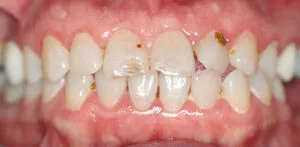
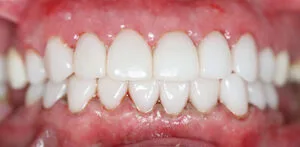
Before and after — an actual patient result at Dr Chalita le Roux, Roodepoort.
Frequently asked questions
What are dental crowns used for?
Dental crowns are used to restore teeth that are badly damaged, cracked, heavily filled or weakened after decay or root canal treatment. They act like a protective cap, covering the entire visible part of the tooth to improve strength, function and appearance. Crowns are also used on dental implants to replace missing teeth, and in some cosmetic cases to improve the shape, alignment or colour of teeth when other options like whitening or veneers are not suitable.
How long does a dental crown procedure take?
With CEREC same-day technology, many crowns can be prepared, designed, made and fitted in a single visit of around a few hours, with breaks while the crown is being milled and polished. Traditional lab-made crowns usually require two appointments: one to prepare the tooth and take impressions, and a second visit a week or two later to fit the final crown. Your dentist will explain the expected timing for your specific case when planning treatment during normal weekday hours.
What is post and core treatment?
Post and core treatment is used when there is not enough natural tooth left to support a crown, often after root canal therapy. A small post is placed into the root canal space to anchor a core build-up material that replaces the missing tooth structure above the gum. This creates a stable foundation for the crown to attach to. The goal is to reinforce a very weakened tooth so the crown can function properly and the risk of future fracture is reduced.
Are porcelain crowns a good option?
Porcelain and other ceramic crowns are a good option when you want a natural-looking result, particularly on front teeth or visible areas of your smile. They can be closely matched to the colour and translucency of your own teeth and are metal-free. When used appropriately and with a well-adjusted bite, they offer good durability. However, if you grind your teeth heavily or have other risk factors, your dentist may suggest specific materials or a night guard to protect the crowns.
Can I get a same-day dental crown?
Yes, in many cases a same-day crown is possible using CEREC technology at Dr Chalita le Roux Inc. The tooth is prepared, digitally scanned and your ceramic crown is designed and milled on-site, often allowing fitting in one visit during weekday hours. However, not every case is suitable for a same-day approach. More complex situations, such as multiple crowns or specific aesthetic demands, may still require a lab-made crown and a second appointment. Your dentist will advise which option is appropriate.
How long do dental crowns last?
Dental crowns can last many years, but their lifespan depends on factors like the material used, the quality of the bite, your oral hygiene and habits such as grinding or clenching. With good home care, regular check-ups and professional cleaning, crowns commonly function well for a long time. Avoiding very hard foods and not using teeth to open packets also helps. Your dentist will monitor your crowns at routine visits and advise if any maintenance or replacement is needed over time.
How should I care for a dental crown after treatment?
Care for a crown much like a natural tooth. Brush twice a day with a soft toothbrush and fluoride toothpaste, and clean between the teeth daily using floss or interdental aids around the crown margins. In the first day or two, avoid very hard or sticky foods on the new crown side while things settle. If you grind your teeth, a night guard may be recommended. Keep up with regular dental check-ups so your dentist can check the crown and surrounding gum health.
How much do dental crowns cost in South Africa?
In South Africa, dental crowns generally fall within a $$ to $$$$ fee range, depending on the type of crown, materials used and any additional work needed, such as root canal treatment or post and core. At Dr Chalita le Roux Inc. in Roodepoort, you will receive a written treatment plan outlining the recommended options and their cost tiers before going ahead. The practice issues a detailed statement that you submit to your medical scheme for reimbursement directly, according to your specific benefits.
Book a consultation about “dental crowns roodepoort”
WhatsApp us on 083 710 9131, call +27 71 884 3204, or email info@drchalitaleroux.co.za. We respond within two business days, Monday to Friday.
Related on our site: Dentist in Roodepoort · Contact and booking form · About Dr Chalita le Roux
Because a crown and a bridge use the same underlying technique, crowns are also used to anchor a dental bridge in Roodepoort when a tooth is missing. If you are comparing your options, our guide on veneers vs crowns explains when each option may be recommended.