
Composite bonding is a cosmetic treatment that uses tooth-coloured resin to reshape and repair teeth with minimal drilling. If you live in Sunninghill and are comparing options, Dr Chalita le Roux in Roodepoort offers careful, personalised composite bonding with digital planning to help you achieve a natural-looking smile. The drive from Sunninghill to Amorosa, Roodepoort is straightforward, and many patients feel the destination result and streamlined visits are worth travelling a little further.
- Composite bonding uses tooth-coloured resin to repair chips, close gaps and reshape teeth without major drilling.
- It is suited to Sunninghill patients wanting a quick aesthetic improvement compared to more involved treatments like veneers.
- At our Roodepoort practice, digital planning helps match shape and shade so bonded teeth blend naturally with your smile.
- Many suitable cosmetic and restorative cases can be completed in a single visit using our CEREC-based digital workflow.
- From Sunninghill, the drive to Amorosa, Roodepoort runs against peak traffic, making it an easy trip for treatment days.
What is composite bonding and how can it improve my smile from Sunninghill?
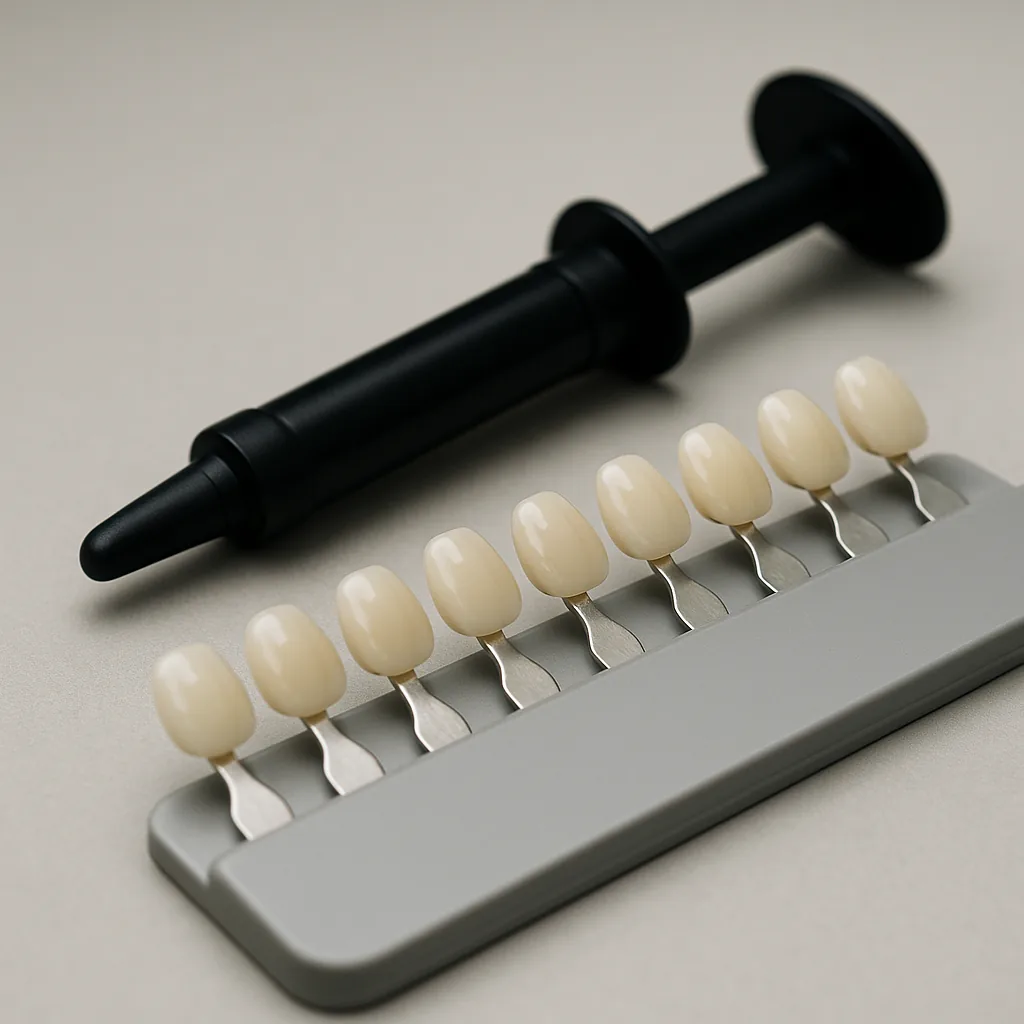
Composite bonding is a cosmetic dental treatment where a tooth-coloured resin is carefully layered onto your teeth to improve their shape, size, or colour. The material is sculpted directly on the tooth, then hardened with a curing light and polished so it blends in with your natural enamel. This makes it useful for repairing chipped edges, closing small gaps, smoothing uneven tooth surfaces and disguising minor discolouration.
For patients travelling from Sunninghill to Roodepoort, composite bonding can offer a relatively conservative way to refresh a smile without the more extensive tooth preparation involved in veneers. It is often chosen when the underlying tooth structure is healthy and you want visible change without extensive drilling. At Dr Chalita le Roux Inc in Amorosa, Roodepoort, the focus is on understanding what you want your smile to look like, then using bonding and other cosmetic options to achieve that in a way that respects your natural teeth.
Not every aesthetic concern is suited to composite bonding alone. More complex issues such as severe wear, heavy staining or major alignment problems may need a combination of treatments. We assess this in person at your consultation, discuss what you hope to change, and then advise whether composite bonding on its own or in combination with other treatments will be the right option for your goals.
Is composite bonding right for my teeth or should I consider veneers or clear aligners instead?
Composite bonding is generally suited to patients with small to moderate cosmetic concerns: chipped or worn edges, minor spacing, slight shape irregularities, or localised discolouration on otherwise healthy teeth. Because the resin is applied directly, little to no tooth structure may need to be removed compared with treatments that rely on laboratory-made restorations. This can make bonding a good option when you want noticeable improvement but wish to keep things as conservative as possible.
Porcelain veneers and clear aligners sit at different points on the cosmetic spectrum. Veneers are thin ceramic shells made in the practice with CEREC or in a dental laboratory and are bonded to the front surfaces of the teeth. They suit patients seeking more comprehensive changes in colour and shape, or longer-term solutions to wear and staining. Clear aligners concentrate on moving teeth into a more harmonious alignment, which can be combined with bonding or veneers for finishing touches. Each option has different material properties, longevity expectations and costs.
The right option depends on your bite, enamel condition, gum health and how dramatic a change you want. Some Sunninghill patients do well with bonding alone; others benefit from a mix of aligner treatment, bonding and, where needed, porcelain veneers. We assess this in person during your consultation in Roodepoort, take digital scans and photographs, and then talk through the pros and limitations of each route so you can decide on a plan that matches your priorities.
What happens during a composite bonding appointment at your Roodepoort practice?
Your composite bonding journey usually begins with a planning consultation. At this visit, Dr Chalita le Roux listens to what bothers you about your teeth and what kind of smile you would like to see in the mirror. Clinical photographs and digital scans are taken, and your bite and existing restorations are checked to help create bonding will be safe and predictable. From Sunninghill, you would travel to Unit 2 Amorosa Office Park in Roodepoort for this consultation, and we clarify exactly which teeth are being treated and what result we are aiming for.
At the bonding appointment, the teeth are cleaned and prepared. This may involve lightly roughening the surface to help the resin adhere. A tooth-coloured composite resin is then applied in small increments, carefully shaped to build up the desired contour. Once the shape is right, a curing light hardens the material. The final step is detailed finishing and polishing: adjusting edges, checking how your teeth meet when you close, and smoothing the surface so it looks and feels natural.
Our practice uses digital tools alongside traditional artistry for many cosmetic and restorative procedures. Where clinically suitable, the same-day CEREC CAD/CAM workflow used for ceramic restorations can complement composite treatments, for example in planning the overall smile design or combining bonded resin with single-visit crowns or veneers. We treat patients Monday to Friday, 08:00 to 17:00, and you can book 24 hours a day on WhatsApp so that your visits from Sunninghill can be scheduled around your work and family commitments.
How much does composite bonding cost compared with veneers or other options?
When patients from Sunninghill search for composite bonding, cost is often one of the first questions. Composite bonding usually falls into the **$ to $$** tier, depending on how many teeth are treated and how complex the case is. The resin is placed directly onto the teeth in the chair, so there is generally less laboratory work than with porcelain veneers. Costs are influenced by the amount of chair time required, the quality of the composite material and the skill involved in shaping and polishing it to a natural finish.
Porcelain veneers typically sit in the **$$$** tier because they involve more extensive planning, ceramic materials and either in-practice CEREC manufacture or external lab work. They can offer more durable colour stability and may be recommended where there is significant wear or staining. Clear aligner treatment also tends to fall in the **$$$** tier when used to straighten multiple teeth over several months, reflecting the ongoing planning, aligner fabrication and review visits.
Longevity and future maintenance are important cost drivers. Composite bonding can be freshened or adjusted over time and may be replaced or upgraded to porcelain in some cases. Veneers and ceramic restorations can provide longer-term stability when well cared for, but are more involved to replace. The most appropriate option for your budget and expectations depends on your mouth and goals, so we assess this in person at your consultation. An exact, personalised estimate is given after the consultation, in writing, before any treatment starts.
Why travel from Sunninghill to Roodepoort for composite bonding and cosmetic dentistry?
From Sunninghill, the drive to Amorosa in Roodepoort is a simple route that many patients are comfortable making. Typically, you would take the N1 and then the N14 or connecting routes toward Roodepoort, moving in the opposite direction to the main morning and afternoon commuter flow. This often means a smoother trip with less congestion than driving into the CBD or other busy hubs. When you arrive at Unit 2 Amorosa Office Park, there is straightforward access and parking, which helps keep your visits stress-free.
For Sunninghill patients considering composite bonding or broader cosmetic work, one of the practical advantages of travelling to our Roodepoort practice is the digital workflow. Using CEREC CAD/CAM technology and digital scanning, many suitable crowns, veneers and onlays can be designed, manufactured and fitted in a single visit rather than the usual two or three. Where clinically appropriate, this means you have one planning consultation and then a second visit where most of your treatment is completed in one day, reducing the number of trips and the time spent in temporary restorations.
Composite bonding itself is usually completed in one appointment for each area being treated, and it can be combined with same-day ceramic work when that offers a more durable solution. For patients willing to travel beyond Sunninghill, the combination of careful cosmetic planning, digital convenience and destination-level aesthetic outcomes can make the extra kilometres worthwhile. We discuss the likely number of visits and how treatment can be structured to minimise disruption to your schedule during your initial consultation.
What does a cosmetic visit from Sunninghill to Roodepoort involve?
| Aspect | Composite bonding-focused visit | Veneers or clear aligner-focused visit |
|---|---|---|
| Typical number of main treatment visits | Often one main bonding visit after your planning consultation, depending on how many teeth are involved. | One or more visits for scanning and planning, followed by one or more treatment visits for fitting veneers or reviewing aligner progress. |
| Planning and assessment | Clinical exam, photographs and digital scans to decide which teeth suit bonding and how much change is realistic. | Detailed digital smile design, bite analysis and sometimes mock-ups to plan tooth movement or ceramic veneer shapes. |
| Travel from Sunninghill to Roodepoort | Single trip for the bonding session, usually against peak traffic via major routes toward Roodepoort. | Scheduled journeys for each key stage of treatment, also against the main commuter flow, with appointments grouped where possible. |
| Time in the chair | Bonding material is placed, shaped and polished directly on the teeth in one visit for the selected area. | Teeth are prepared and scanned for veneers or attachments are placed for clear aligners; further time is needed for fitting and adjustments. |
| Use of digital technology | Digital photographs and scans guide shape and shade; bonding is hand-sculpted on the tooth. | CEREC CAD/CAM or aligner software is used to design ceramic restorations or tooth movements before fabrication. |
| Aftercare and follow-up | Review visits focus on how bonded areas are wearing, bite comfort and polishing as needed. | Follow-up includes veneer checks or scheduled aligner reviews to monitor tooth movement and plan retention. |
Related pages
Porcelain Veneers · Smile Makeovers · Cosmetic Dentistry · All treatments & service areas
Nearby and related treatments
Composite Bonding in Wilropark, Roodepoort · Composite Bonding in Helderkruin, Roodepoort · Clear Aligners in Sunninghill, Roodepoort · Cosmetic Dentist in Sunninghill, Roodepoort
Frequently asked questions
Can composite bonding fix gaps between my front teeth if I live in Sunninghill?
Composite bonding can often be used to close small gaps between front teeth by carefully adding tooth-coloured resin to the sides of the teeth. It works well when the spacing is modest and your bite allows the material to be placed safely. Larger gaps or issues related to tooth position may be better managed with clear aligners or a combination approach. We assess this in person at your Roodepoort consultation and advise which route will give you a stable, natural-looking result.
How long does composite bonding usually last and will I need to replace it?
Composite bonding is durable but not indestructible. The resin can stain over time and may chip if subjected to heavy biting forces or habits such as nail biting. With good oral hygiene and sensible use, many patients enjoy bonded improvements for several years before needing refreshment or replacement. Longevity depends on where the bonding is placed, your bite and how you care for your teeth. We discuss realistic expectations and maintenance at your consultation so you understand how your result is likely to age.
Will my composite bonding look natural or will people notice it?
The aim of composite bonding is for your teeth to look like themselves, simply in a more harmonious shape and shade. Dr Chalita le Roux selects resin shades that match your enamel and carefully sculpts and polishes the material to blend with neighbouring teeth. Edges are smoothed and contours adjusted so light reflects in a similar way to natural tooth structure. While no cosmetic treatment can be completely invisible, good technique and planning help help make sure that the focus is on your smile as a whole, not on individual restorations.
Is composite bonding painful and will my teeth be drilled a lot?
Composite bonding is usually minimally invasive. In many cases, little or no drilling is required, as the resin is bonded directly to the existing tooth structure. When some preparation is needed to improve adhesion or remove sharp edges, it is kept as conservative as possible. Sensitivity is generally mild and short-lived when it occurs. Your comfort is monitored throughout, and local anaesthetic can be used if deeper work is required. We explain each step at your consultation so you know what to expect before treatment begins.
How do I get from Sunninghill to your Roodepoort dental practice for bonding?
From Sunninghill, you would typically take the N1 and then link to routes toward Roodepoort, heading against the main commuter flow. This tends to be an easier drive than travelling into central business districts at peak times. Our practice is located at Unit 2 Amorosa Office Park in Amorosa, Roodepoort, with straightforward access once you are in the area. We treat patients Monday to Friday, 08:00 to 17:00, and you can book 24 hours a day on WhatsApp so that your appointments fit comfortably with your schedule.
What should I avoid eating or doing after composite bonding?
After composite bonding, it is sensible to avoid very hard foods on the newly treated edges and to minimise habits such as biting pens, nails or ice, as these can chip the resin. Strongly coloured foods and drinks may stain the surface over time, so good brushing and rinsing habits are important. Regular dental check-ups allow small chips or surface wear to be polished and repaired before they become noticeable. At the end of your bonding appointment, we provide tailored aftercare guidance so you know how to look after your new smile.
Can composite bonding be combined with same-day crowns or veneers at your practice?
Yes, in some cases composite bonding is combined with ceramic crowns or veneers to achieve both aesthetic and functional goals. Our CEREC CAD/CAM workflow allows many suitable ceramic restorations to be designed and placed in a single visit, while composite is used to refine shapes or correct smaller imperfections. This can reduce the total number of trips from Sunninghill by grouping treatments where clinically suitable. During your consultation, we examine your bite and enamel and plan how each material can be used together to support a stable result.
How do I find out the exact cost of composite bonding for my teeth?
The exact cost of composite bonding depends on how many teeth are treated, the complexity of reshaping, and whether it is combined with other treatments such as veneers or clear aligners. These factors influence the time, materials and planning required. Because every mouth is different, we cannot give a meaningful figure without examining your teeth. We assess this in person at your consultation in Roodepoort, discuss your goals and options, and an exact, personalised estimate is given after the consultation, in writing, before any treatment starts.
Book a consultation
To discuss composite bonding sunninghill with Dr Chalita le Roux, WhatsApp us on 083 710 9131, call 071 884 3204, or send us a message. We are in Amorosa, Roodepoort, open Monday to Friday, 08:00 to 17:00, with free on-site parking.
Written and clinically reviewed by Dr Chalita le Roux, BChD cum laude (University of Pretoria, 2020), HPCSA DP 0118702, member of the South African Academy of Aesthetic Dentistry. In private practice in Roodepoort since 2022.
This page is general information, not a diagnosis or treatment plan. What is right for your teeth is decided at a consultation with a registered dental practitioner.