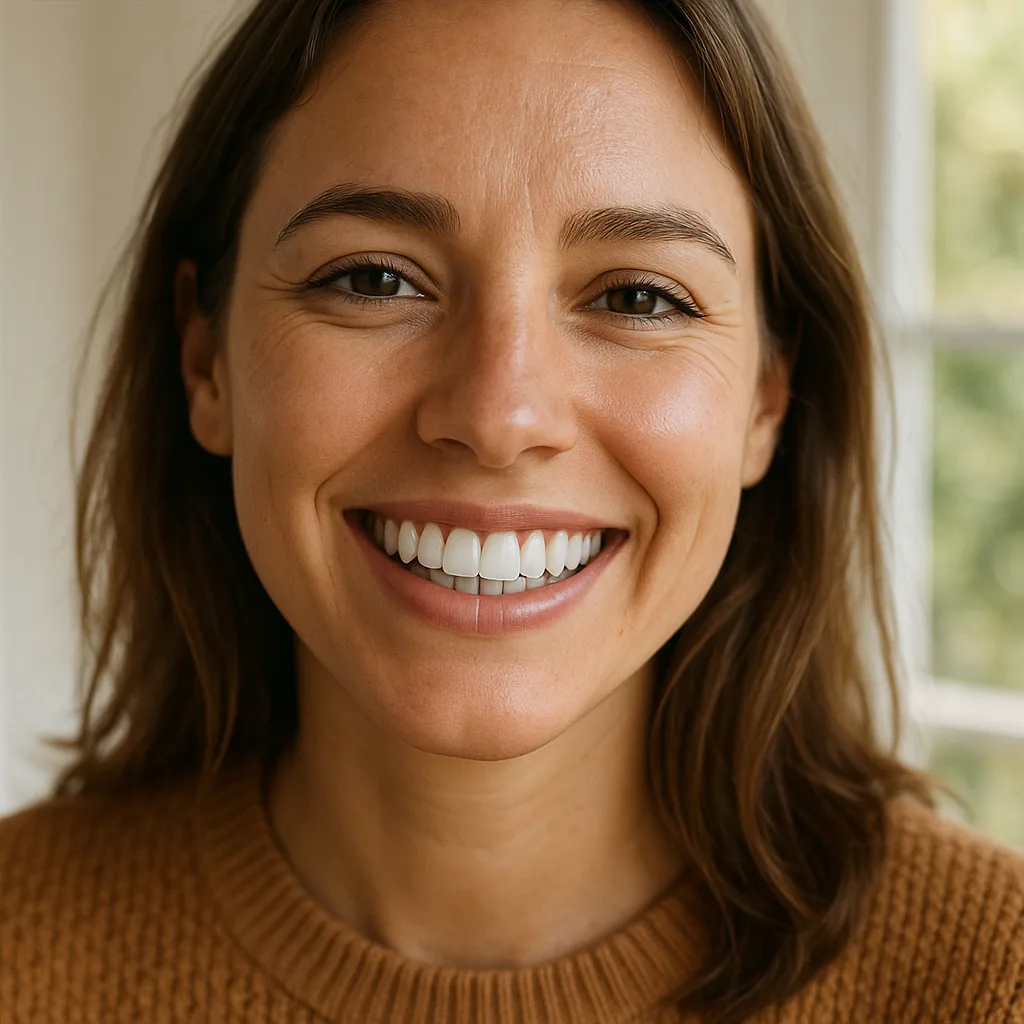
If you live in Helderkruin and are looking for composite bonding in Roodepoort, Dr Chalita le Roux offers natural-looking repairs and smile enhancements a short drive away in Amorosa. Composite bonding can restore chipped, worn or uneven teeth in a minimally invasive way, often in a single visit after a careful assessment.
- Composite bonding uses tooth-coloured resin to repair chips, close gaps and reshape teeth with minimal drilling.
- Patients from Helderkruin can reach our Amorosa, Roodepoort practice in around 10–15 minutes via Hendrik Potgieter Road.
- Many suitable bonding cases can be planned and completed in one appointment using digital scanning and careful shade matching.
- Bonding costs depend on the number of teeth, complexity and materials, and a written estimate is given after your consultation.
- Dr Chalita le Roux provides personalised care from start to finish, including planning, treatment and follow-up.
What is composite bonding and how can it help my smile?
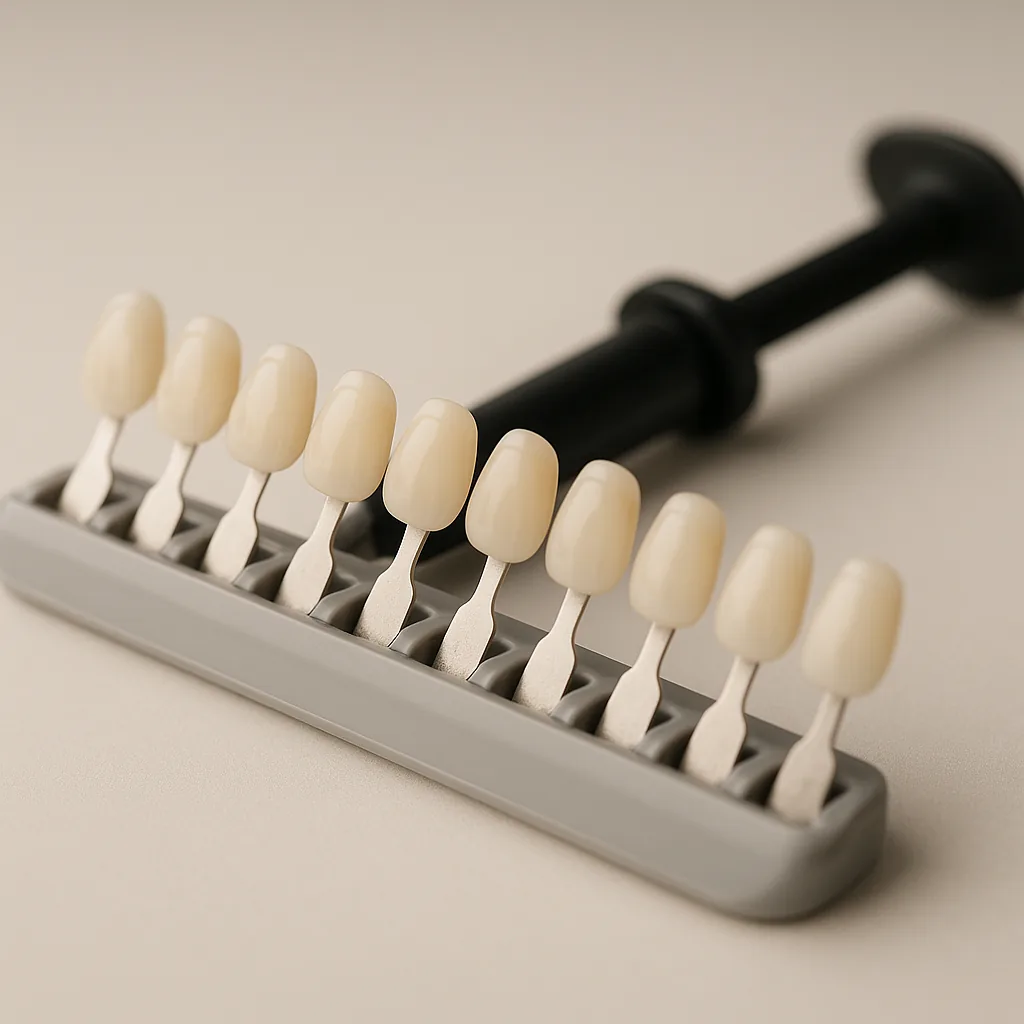
Composite bonding is a cosmetic dental treatment where a tooth-coloured resin is applied to your teeth to repair chips, close small gaps, reshape edges or improve discolouration. The material is sculpted directly on the tooth, then hardened with a special light and polished so it blends with your natural enamel. Because the resin is bonded to the tooth surface, the procedure is typically minimally invasive and can often be done with little or no removal of healthy tooth structure.
For many patients, composite bonding offers a conservative way to refresh their smile without committing to more extensive treatments. It can be used on a single chipped tooth or across several front teeth to create a more even, harmonious appearance. The right choice depends on your tooth condition, bite and long-term goals, which is why Dr Chalita le Roux assesses every case in person before recommending composite bonding.
Is composite bonding a good option if I live in Helderkruin?
If you stay in Helderkruin and want a convenient option for composite bonding, our practice in Amorosa, Roodepoort is close by. Many patients drive via Hendrik Potgieter Road, past Clearwater Mall, and turn toward Amorosa; the trip typically takes around 10 to 15 minutes in normal traffic. This makes it practical to attend your initial consultation, treatment and follow-up visits without long travel times.
Because composite bonding often requires careful planning and detailed finishing, it helps to see the same dentist throughout. At our practice, you see Dr Chalita le Roux for your assessment, treatment and reviews, so you can discuss your concerns directly and know who is working on your smile. For Helderkruin patients balancing work and family schedules, having a nearby Roodepoort practice with a consistent dentist can make the process far more manageable.
What happens during a composite bonding appointment?
A composite bonding appointment starts with a thorough consultation and examination. Dr Chalita le Roux will discuss what you would like to change, assess your teeth, gums and bite, and take digital photographs and, where suitable, a digital scan. This helps plan the shape, size and colour of the bonding so that the final result suits your face, lips and existing teeth. She will explain your options, including alternatives such as porcelain veneers or clear aligners if those may address your concerns more predictably.
On the treatment day, the tooth surface is cleaned and prepared, and a bonding agent is applied. Tooth-coloured resin is then carefully layered and sculpted to the desired shape. Once the form is right, the material is hardened and polished to a smooth, natural gloss. Many composite bonding cases can be completed in one visit, especially when only one or a few teeth are involved, but more complex cases may be planned over several appointments. All of this is discussed with you in person before treatment begins.
How does composite bonding compare to veneers and other options?
Composite bonding is often chosen because it is conservative and can usually be done without extensive tooth reduction. Porcelain veneers, on the other hand, are custom-made ceramic shells fabricated outside the mouth and then bonded to the teeth. Veneers can offer very durable and stain-resistant results, but they typically require more tooth preparation and multiple visits. In our practice, many suitable veneer cases can be completed in a single visit using our CEREC CAD/CAM workflow, where digital scans are used to design and mill ceramic restorations on-site, but we still assess each case individually before recommending this route.
Some patients from Helderkruin and surrounding areas may benefit more from clear aligners or whitening before or instead of bonding. For example, if teeth are quite crooked or the bite is unfavourable, aligning them first may reduce the amount of bonding or ceramic work needed. If discolouration is the main concern, whitening may achieve the desired improvement without additional restorations. The right option depends on your starting point, how long you want the result to last, and how much maintenance you are comfortable with, so these decisions are always made after a detailed consultation with Dr Chalita le Roux.
What are the risks, aftercare and costs of composite bonding?
Composite bonding, like any dental treatment, carries some risks. The resin material is durable but can chip or wear over time, especially if you clench, grind, or bite on hard objects. The surface can also pick up stains from coffee, tea, red wine and smoking more readily than ceramic. In some cases, the edges may need polishing or small repairs over the years. During your consultation, Dr Chalita le Roux will discuss these considerations, assess your bite and habits, and advise whether bonding is suitable for you or whether an alternative may be more predictable.
Aftercare for composite bonding focuses on good daily hygiene, regular professional cleaning and mindful habits. Brushing twice a day, flossing and attending routine check-ups help keep the bonded areas clean and smooth. Avoiding nail biting, hard sweets and using your teeth as tools reduces the chance of chipping. If you grind your teeth at night, a protective night guard may be recommended. In terms of cost, composite bonding usually sits in the $ to $$ range compared with other cosmetic options. Factors that influence the cost include the number of teeth treated, the complexity of the shape changes, the amount of chairside time, and whether additional digital planning or mock-ups are required. An exact, personalised estimate is given after the consultation, in writing, before any treatment starts.
What does a composite bonding visit involve compared with a porcelain veneer visit?
| Composite bonding visit | Porcelain veneer visit (single-visit CEREC where suitable) | |
|---|---|---|
| Initial consultation | Clinical exam, photos and discussion of goals with Dr Chalita le Roux; suitability for bonding assessed and shade planned. | Clinical exam, photos and discussion of goals; additional focus on bite, enamel thickness and ceramic design requirements. |
| Tooth preparation | Minimal or no enamel removal in many cases, focusing on cleaning and light surface roughening for bonding. | Careful enamel reshaping to create space for the veneer; more tooth structure is typically adjusted compared with bonding. |
| Digital workflow | Digital photos and, where helpful, digital scans used mainly for planning and monitoring changes. | Digital scan taken, veneer designed on CAD software and milled on-site using CEREC technology where clinically suitable. |
| Number of visits | Often completed in one visit for straightforward cases, with occasional follow-up for polishing or small adjustments. | Many suitable cases completed in a single visit with CEREC; some complex cases may still require more than one appointment. |
| Material used | Tooth-coloured composite resin applied and shaped directly in the mouth. | High-strength ceramic or porcelain fabricated outside the mouth and bonded to the tooth. |
| Cost tier ($–$$$) | Generally in the $ to $$ tier, reflecting chairside time rather than laboratory fees. | $$ to $$$ tier due to ceramic materials, digital design and laboratory or milling costs. |
Related pages
Porcelain Veneers · Smile Makeovers · Cosmetic Dentistry · All treatments & service areas
Nearby and related treatments
Composite Bonding in Wilropark, Roodepoort · Composite Bonding in Roodekrans, Roodepoort · Clear Aligners in Helderkruin, Roodepoort · Dentist for Helderkruin Patients — Cosmetic, Family & Same-Day Care in Roodepoort
Frequently asked questions
How far is your Roodepoort practice from Helderkruin for composite bonding?
Our practice is in Amorosa, Roodepoort, a short drive from Helderkruin. Many patients travel via Hendrik Potgieter Road, passing Clearwater Mall and then turning toward Amorosa. In typical traffic, the trip is around 10 to 15 minutes, which makes it practical to attend a consultation, composite bonding appointment and follow-up visits without long travel times.
Who will do my composite bonding if I come from Helderkruin?
All composite bonding assessments and treatments are done by Dr Chalita le Roux, who holds a BChD cum laude from the University of Pretoria and is a member of SAAAD. You see the same dentist for your consultation, digital planning, bonding procedure and reviews, which allows for consistent planning and communication from start to finish.
Is composite bonding painful or uncomfortable?
Most composite bonding procedures are well tolerated. Because the treatment is often minimally invasive, many cases can be done with little or no local anaesthetic, although this is decided individually. During your consultation, Dr Chalita will check tooth sensitivity, explain what you may feel, and discuss comfort options so that you know what to expect before treatment begins.
How long does composite bonding last on front teeth?
Composite bonding can last several years, but its longevity depends on your bite, diet, oral hygiene and habits such as grinding or biting nails. The material can chip or stain over time and may need maintenance, polishing or small repairs. During your examination, Dr Chalita will assess these risk factors and explain how long bonding is likely to serve you compared with alternatives like porcelain veneers.
Will composite bonding look natural next to my other teeth?
Composite bonding is designed to look as natural as possible. Dr Chalita carefully selects and blends resin shades to match your existing enamel and sculpts the surface to mirror your natural tooth anatomy. Digital photos and, where helpful, scans are used to plan the shape and proportions. Final polishing gives the bonded area a smooth, glossy finish that integrates with your surrounding teeth.
Can you fix a single chipped tooth with composite bonding?
Yes, composite bonding is often used to repair a single chipped tooth, especially in the front of the mouth. At your consultation, Dr Chalita will check the extent of the chip, the health of the tooth and your bite. If bonding is suitable, she can rebuild the missing corner or edge and shape it to blend with the neighbouring teeth. If another option would be more reliable, this will be discussed with you.
How much does composite bonding cost compared with veneers?
Composite bonding typically falls in the $ to $$ tier, while porcelain veneers are generally in the $$ to $$$ tier due to ceramic materials and laboratory or milling steps. The actual cost depends on how many teeth are treated, how complex the changes are, and whether digital planning or mock-ups are needed. An exact, personalised estimate is given after the consultation, in writing, before any treatment starts.
How do I book a composite bonding consultation from Helderkruin?
You can contact our Amorosa, Roodepoort practice by phone or WhatsApp to request a composite bonding consultation. Our WhatsApp booking assistant replies 24/7; appointments are confirmed during practice hours, Monday to Friday, 08:00 to 17:00. During this visit, Dr Chalita will examine your teeth, discuss your goals, explain your options and provide a written estimate before any treatment is scheduled.
Book a consultation
To discuss composite bonding helderkruin with Dr Chalita le Roux, WhatsApp us on 083 710 9131, call 071 884 3204, or send us a message. We are in Amorosa, Roodepoort, open Monday to Friday, 08:00 to 17:00, with free on-site parking.
Written and clinically reviewed by Dr Chalita le Roux, BChD cum laude (University of Pretoria, 2020), HPCSA DP 0118702, member of the South African Academy of Aesthetic Dentistry. In private practice in Roodepoort since 2022.
This page is general information, not a diagnosis or treatment plan. What is right for your teeth is decided at a consultation with a registered dental practitioner.