
Composite bonding is a conservative cosmetic treatment that can reshape, repair or refine front teeth with tooth-coloured material. If you are coming from Steyn City, our Roodepoort practice is an easy drive down the N14, and we assess your smile in person to see whether bonding is the right option.
- Composite bonding can improve chips, small gaps, uneven edges and mild discolouration.
- We assess each smile in person and plan bonding around your tooth shape, shade and bite.
- Many suitable cases can be completed with digital scanning and same-day workflow where clinically suitable.
- Patients from Steyn City often find the drive to Roodepoort straightforward, especially outside peak commuter flow.
- Cost depends on the number of teeth, the complexity of the work and the finishing required; an exact, personalised estimate is given after the consultation, in writing, before any treatment starts.
What happens during a composite bonding appointment?
The appointment starts with a consultation and smile assessment. We look at the teeth, discuss your goals, and decide whether composite bonding alone is enough or whether another treatment would create a more predictable result. Digital scanning may be used to record the teeth accurately and help with planning.
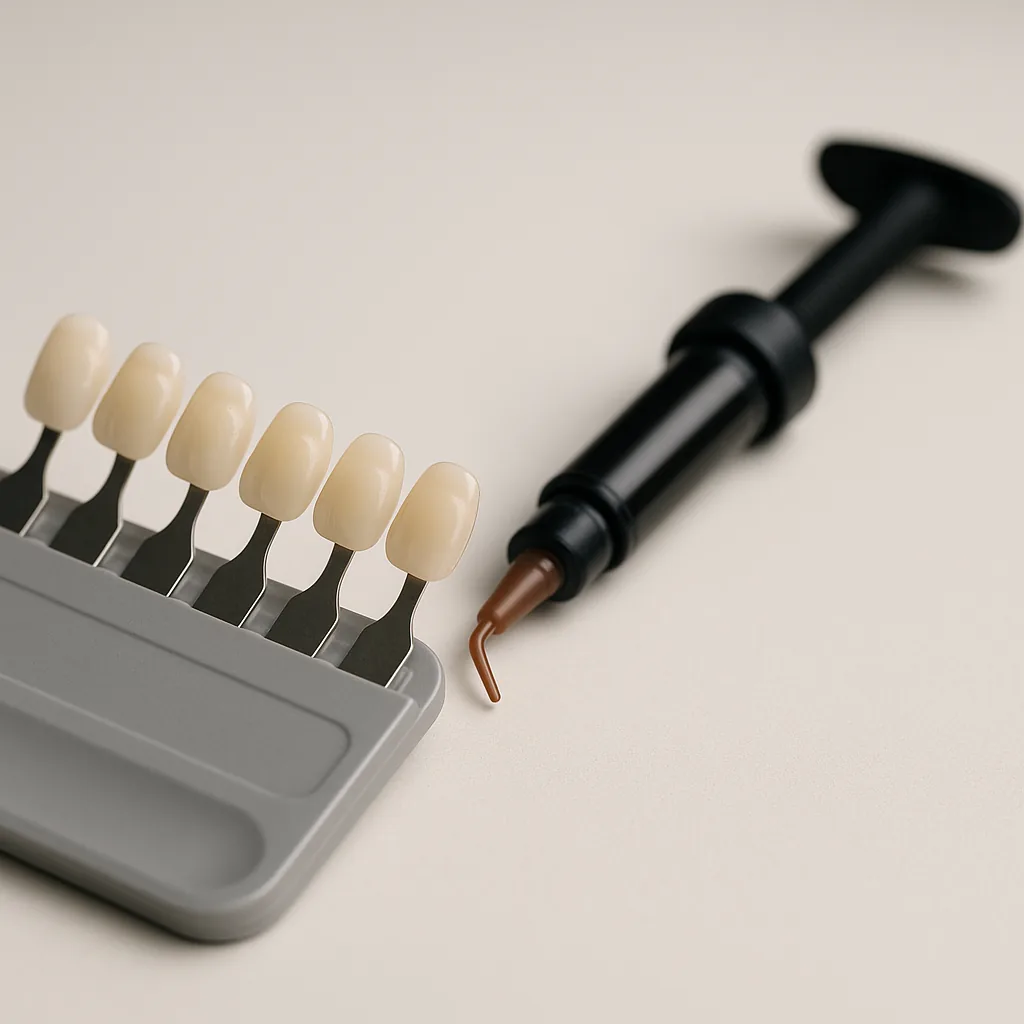
If bonding is suitable, the tooth surface is prepared lightly and the composite is shaped, layered and polished to suit the surrounding teeth. In some cases, digital workflow and same-day dentistry can help complete suitable cosmetic and restorative treatments in a single visit rather than over two or three appointments. Where clinically suitable, this can reduce back-and-forth and make treatment more convenient for patients travelling from Steyn City.
Why do patients travel from Steyn City to Roodepoort for bonding?
Steyn City patients often choose our Roodepoort practice because the journey is practical and the treatment planning is efficient. The route down the N14 toward Roodepoort is usually straightforward, and the drive often works against the main commuter flow, which can make the trip easier than travelling deeper into central Johannesburg.
For patients looking for a cosmetic result with minimal disruption, the combination of careful planning, digital scanning and same-day capability where clinically suitable can make the distance worthwhile. You can have one planning consultation, then return for treatment in a single day when the case allows it, which reduces the number of visits and keeps the process simple.
How much does composite bonding cost?
Composite bonding cost depends on the number of teeth involved, the amount of reshaping needed, the complexity of matching the shade and texture, and whether the case needs extra finishing or repair work. A smaller cosmetic change may fall into a lower tier, while more detailed smile refinement usually sits in a moderate or higher tier because it takes more chair time and more detailed artistry.
We do not quote a figure before we assess the teeth, because the right plan depends on what we see in person. After the consultation, we provide an exact, personalised estimate in writing before any treatment starts.
How long does composite bonding last, and what affects the result?
Composite bonding can last well when the teeth are healthy, the bite is suitable and the restoration is maintained properly. Longevity depends on habits such as clenching, nail biting, chewing hard objects and using the front teeth for heavy biting. The polishing and shape also matter because a smooth finish is easier to keep looking clean.
The material may need maintenance over time, including repolishing or repair if a section chips or stains. We discuss realistic expectations at the consultation so you understand how the result is likely to perform in daily life and what follow-up care may be needed.
What should you know about aftercare and risks?
After composite bonding, patients are usually advised to be careful with very hard foods for the first short period and to avoid habits that can chip the edges. Good brushing, flossing and regular dental check-ups help preserve the finish and support gum health around the treated teeth.
As with any dental treatment, there are risks. These can include sensitivity, minor chipping, staining over time, or the need for future repair. The material is also more repairable than some other cosmetic options, which is useful for patients who want a conservative approach. We explain the likely benefits and limitations clearly before treatment begins.
What a composite bonding visit usually involves
| Step | What happens | Why it matters |
|---|---|---|
| Consultation | We assess the teeth, bite and smile goals in person. | This helps decide whether bonding is appropriate. |
| Digital planning | We may use digital scanning to record the teeth accurately. | This supports precise planning and a smoother workflow. |
| Treatment day | The composite is shaped, layered and polished on the tooth. | This creates the cosmetic change without extensive tooth removal. |
| Same-day workflow where suitable | Many suitable cases can be completed in one visit with digital dentistry. | This reduces the number of trips for patients travelling from Steyn City. |
| Aftercare | We explain cleaning, eating and maintenance advice. | This helps protect the finish and support longer-lasting results. |
Related pages
Porcelain Veneers · Smile Makeovers · Cosmetic Dentistry · All treatments & service areas
Costs: What veneers cost in South Africa
Nearby and related treatments
Composite Bonding in Wilropark, Roodepoort · Composite Bonding in Helderkruin, Roodepoort · Clear Aligners in Steyn City, Roodepoort · Cosmetic Dentist in Steyn City, Roodepoort
Frequently asked questions
Is composite bonding suitable for chipped front teeth?
Composite bonding is often suitable for small chips on front teeth, especially when the tooth itself is otherwise healthy. We assess the size of the chip, the bite, the surrounding enamel and the shade match in person before recommending treatment. If the chip is large or the tooth is heavily worn, another option may be more predictable. The consultation is where we decide whether bonding alone will create the result you want.
Can composite bonding close small gaps between teeth?
Yes, composite bonding can sometimes be used to close small gaps, especially where the teeth are otherwise healthy and the space is limited. The key is proportion: the added material should improve the smile without making the teeth look overly wide. We assess the size of the gap, the shape of the adjacent teeth and the way the teeth meet before deciding whether bonding is suitable or whether a different plan would look more natural.
How natural does composite bonding look?
A well-planned bonding result can look very natural because the composite is chosen and shaped to blend with the surrounding teeth. The final appearance depends on shade selection, layering, contouring and polishing, as well as the condition of the original teeth. We focus on matching the smile to your face rather than creating a generic look, and we discuss the expected result before treatment begins.
How many visits are needed for composite bonding?
That depends on the extent of the case and whether digital planning is helpful. Some bonding cases can be completed in a single treatment visit after the consultation, while more detailed smile changes may need additional planning. Where clinically suitable, our digital scanning and same-day workflow can reduce the number of appointments and make the process easier for patients travelling from Steyn City.
Is composite bonding painful?
Composite bonding is usually a comfortable treatment because it often involves little or no tooth removal. Some patients feel mild sensitivity during or after treatment, especially if the teeth were already sensitive or if polishing is extensive. We explain what to expect before we start and adjust the plan if the tooth condition suggests a more cautious approach. The aim is a careful, controlled procedure rather than a rushed one.
What can damage composite bonding?
Composite bonding can chip or stain over time if it is exposed to hard biting, clenching, grinding, or habits such as biting pens and opening packets with the teeth. Dark drinks and smoking can also affect the surface appearance. We give practical aftercare advice and can repair or refresh the restoration if needed. Regular check-ups help us spot wear early and keep the result looking tidy.
Why would someone travel from Steyn City for this treatment?
Patients from Steyn City often travel to our Roodepoort practice because the route down the N14 is straightforward and the visit can be efficient. For suitable cosmetic cases, digital planning and same-day workflow mean fewer trips and less back-and-forth. If you want a destination cosmetic result without unnecessary appointments, the convenience and the outcome can make the drive worthwhile.
How do I book a consultation for composite bonding?
You can book through our WhatsApp assistant at any time, and appointments are confirmed during practice hours. We treat patients Monday to Friday, 08:00 to 17:00. During the consultation, we assess your teeth, discuss your goals and explain whether composite bonding is the right option for your smile. If it is, we provide a personalised written estimate before any treatment starts.
Book a consultation
To discuss composite bonding steyn city with Dr Chalita le Roux, WhatsApp us on 083 710 9131, call 071 884 3204, or send us a message. We are in Amorosa, Roodepoort, open Monday to Friday, 08:00 to 17:00, with free on-site parking.
Written and clinically reviewed by Dr Chalita le Roux, BChD cum laude (University of Pretoria, 2020), HPCSA DP 0118702, member of the South African Academy of Aesthetic Dentistry. In private practice in Roodepoort since 2022.
This page is general information, not a diagnosis or treatment plan. What is right for your teeth is decided at a consultation with a registered dental practitioner.