
Composite bonding can be a practical way to reshape, repair, or refine teeth with a natural-looking finish. At Dr Chalita le Roux Inc in Amorosa, Roodepoort, patients from Dainfern often choose it for a cosmetic result that is planned in person and matched to the smile as a whole.
- Composite bonding is used to improve the look of chipped, worn, uneven, or slightly spaced teeth.
- The right treatment plan depends on your enamel, bite, smile line, and how much change you want.
- Many suitable cosmetic and restorative treatments can be completed in a single visit with digital scanning and CEREC CAD/CAM.
- A patient from Dainfern can reach the practice by driving via William Nicol and the N14 into Roodepoort.
- Cost depends on the number of teeth, the materials used, and the complexity of the case; an exact, personalised estimate is given after the consultation, in writing, before any treatment starts.
What is composite bonding?
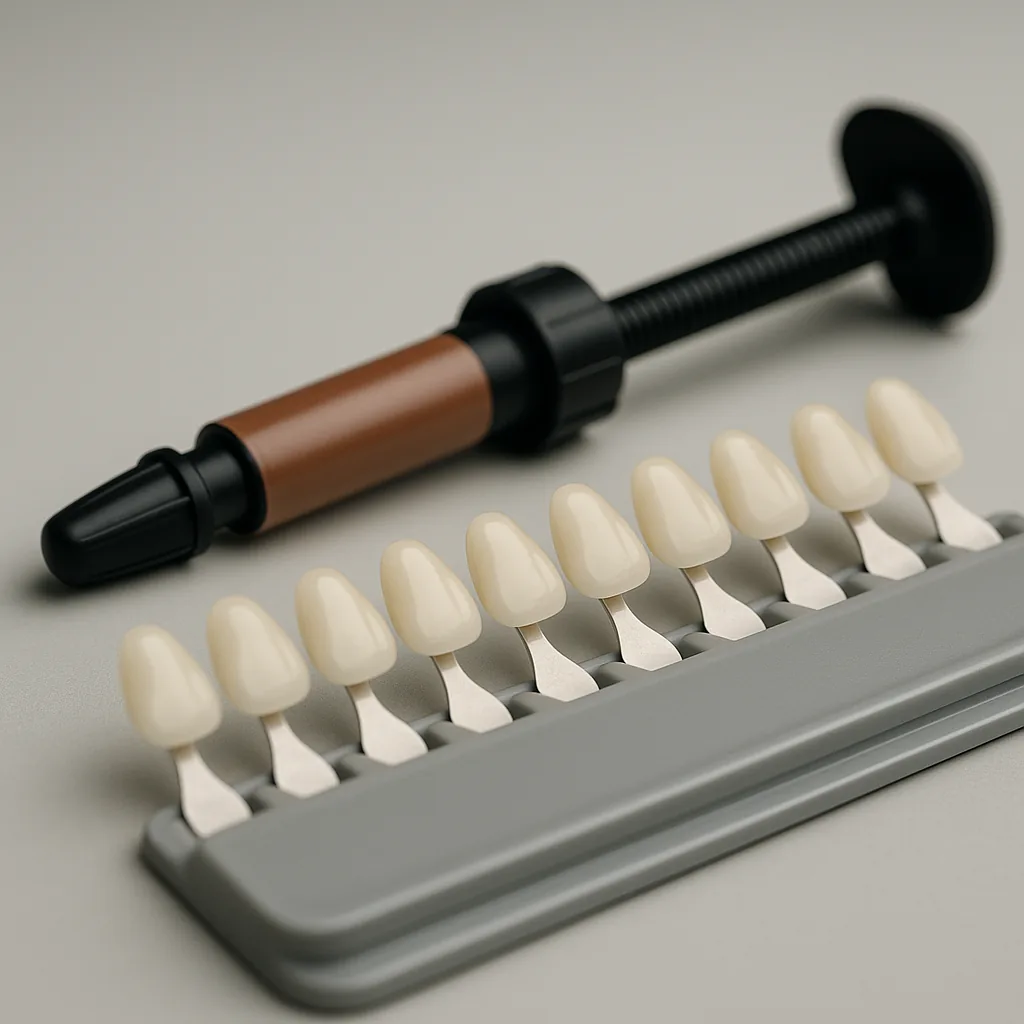
Composite bonding is a cosmetic dental treatment where tooth-coloured resin is shaped and bonded to the tooth surface to improve appearance. It can be used to repair chips, soften small gaps, lengthen short teeth, or refine uneven edges, and the result is designed to blend with the surrounding smile.
At Dr Chalita le Roux Inc in Roodepoort, composite bonding is assessed in person so the shade, shape, and amount of change can be matched to your teeth and bite. Dr Chalita le Roux holds a BChD cum laude from the University of Pretoria and is a SAAAD member, which supports an evidence-based approach to cosmetic dentistry.
Who is composite bonding suitable for?
Composite bonding is often suitable for patients who want a conservative cosmetic improvement without changing too much natural tooth structure. It may suit people with small chips, minor wear, small gaps, or teeth that look slightly uneven in length or contour.
It is not the right option for every case. If the teeth are heavily worn, significantly misaligned, or affected by deeper structural issues, another treatment may be more appropriate. That is why we assess this in person and plan the result around function as well as appearance.
What happens during a composite bonding appointment?
Your visit begins with a consultation and an examination of your teeth, bite, and smile goals. We then discuss whether composite bonding is suitable, how many teeth are involved, and whether any preparatory treatment is needed before cosmetic work starts.
Where clinically suitable, digital scanning and same-day digital workflow can help streamline planning and treatment. For some cosmetic and restorative cases, this means fewer visits and a more efficient process. The exact sequence depends on the case, because each smile is assessed individually before treatment begins.
How much does composite bonding cost?
Composite bonding cost is influenced by the number of teeth involved, the amount of detail needed, the materials used, and whether the case is simple or more complex. A small cosmetic repair usually sits in a lower tier, while multi-tooth smile enhancement with careful shaping and finishing sits in a moderate to higher tier.
If a patient also needs digital planning, lab work, or additional restorative steps, the overall cost can rise accordingly. The exact, personalised estimate is given after the consultation, in writing, before any treatment starts.
Why travel from Dainfern to Roodepoort for composite bonding?
For patients coming from Dainfern, the practice is a straightforward drive via William Nicol and the N14 to Amorosa, Roodepoort. In practical terms, it is roughly a mid-distance trip that many patients make when they want a destination cosmetic result and a more streamlined treatment plan.
The drive from that direction also runs against much of the peak commuter flow, which can make the trip easier than patients expect. For suitable cases, our same-day digital workflow with CEREC CAD/CAM and digital scanning can reduce the number of visits, so you may have one planning consultation and then complete the treatment in one day next time, where clinically suitable.
What your composite bonding visit may involve
| Step | What happens | Why it matters |
|---|---|---|
| Consultation | We examine the teeth, discuss your goals, and decide whether bonding is the right option. | This keeps the plan tailored to your smile and bite. |
| Digital planning | We may use digital scanning and digital design where suitable. | This helps shape the result more precisely and can reduce repeat visits. |
| Treatment | The composite is placed, shaped, and refined to blend with the tooth. | This is the step that changes the look of the smile. |
| Finishing | We check the contours, bite, and appearance before final polishing. | This supports comfort and a natural finish. |
| Aftercare | We explain cleaning, habits, and review timing. | Good aftercare helps protect the result and maintain appearance. |
Related pages
Porcelain Veneers · Smile Makeovers · Cosmetic Dentistry · All treatments & service areas
Costs: What veneers cost in South Africa
Nearby and related treatments
Composite Bonding in Wilropark, Roodepoort · Composite Bonding in Helderkruin, Roodepoort · Cosmetic Dentist in Dainfern, Roodepoort · Dental Crowns in Dainfern, Roodepoort
Frequently asked questions
What can composite bonding fix?
Composite bonding can improve chips, minor cracks, small gaps, worn edges, and teeth that look slightly uneven in shape or length. It is also used to refine the appearance of a tooth after minor damage. The treatment is conservative because it usually preserves more natural tooth structure than some other cosmetic options. We assess this in person to make sure the final shape suits your teeth, bite, and overall smile.
Does composite bonding look natural?
When it is planned and finished carefully, composite bonding can look very natural. The shade, translucency, and contour are matched to the surrounding teeth so the repair does not stand out. The final result depends on the original tooth colour, the size of the repair, and how much shaping is needed. A consultation allows us to judge whether bonding can achieve the look you want.
How long does composite bonding take?
The time needed depends on how many teeth are involved and how detailed the shaping must be. A small repair may be completed in one visit, while a more detailed smile enhancement takes longer. Where clinically suitable, our digital workflow can reduce the number of appointments and streamline planning. We confirm the treatment sequence after examining the teeth and discussing the result you want.
Is composite bonding suitable for larger smile changes?
Composite bonding can improve the look of a smile, but it is not the right answer for every larger cosmetic change. If several teeth need major reshaping, or if the bite and wear pattern are more complex, another treatment may be more appropriate. That is why we assess the teeth, bite, and facial balance first. The consultation determines whether bonding is enough or whether another approach is more suitable.
How should I care for composite bonding after treatment?
Care is straightforward, but it matters. Good brushing, flossing, and regular dental reviews help protect the bonded areas, and it is sensible to avoid biting hard objects that could chip the resin. Some patients may also benefit from polishing visits, depending on wear and staining over time. We give aftercare advice based on the exact teeth treated and the way your bite functions.
Can composite bonding be repaired if it chips?
Yes, in many cases chipped composite can be repaired rather than replaced. The extent of the repair depends on how much material is affected and whether the underlying tooth is intact. Because composite is a restorative material as well as a cosmetic one, minor touch-ups are often possible. We would assess the area in person and decide on the most appropriate repair method.
Why do patients from Dainfern come to Roodepoort for this treatment?
Some patients travel from Dainfern because they want a cosmetic practice with digital planning and the possibility of fewer visits where clinically suitable. The route via William Nicol and the N14 makes the practice accessible, and the drive is often manageable against the main commuter flow. For a destination smile result, the combination of convenience, planning, and outcome can make the trip worthwhile.
How do I know whether composite bonding or another treatment is right for me?
The right option depends on the condition of your teeth, the amount of change you want, and how your bite functions. Composite bonding is often a conservative first choice for smaller cosmetic concerns, while other treatments may suit more complex cases. A consultation is necessary because we assess the teeth in person before recommending a plan. That way, the result is based on clinical need, not guesswork.
Book a consultation
To discuss composite bonding dainfern with Dr Chalita le Roux, WhatsApp us on 083 710 9131, call 071 884 3204, or send us a message. We are in Amorosa, Roodepoort, open Monday to Friday, 08:00 to 17:00, with free on-site parking.
Written and clinically reviewed by Dr Chalita le Roux, BChD cum laude (University of Pretoria, 2020), HPCSA DP 0118702, member of the South African Academy of Aesthetic Dentistry. In private practice in Roodepoort since 2022.
This page is general information, not a diagnosis or treatment plan. What is right for your teeth is decided at a consultation with a registered dental practitioner.