
Composite bonding in Blair Atholl, Roodepoort is a conservative cosmetic treatment that can refine chips, small gaps, worn edges, and uneven tooth shapes. At Dr Chalita le Roux Inc in Amorosa, Roodepoort, we assess each case in person so you get a plan that suits your teeth, your smile goals, and your budget.
- Composite bonding can improve the shape, colour, and symmetry of selected teeth.
- It is a conservative cosmetic option because it usually preserves more natural tooth structure.
- Suitability depends on your bite, enamel, smile goals, and how much rebuilding is needed.
- Many suitable cosmetic and restorative cases can be completed in a single visit with digital scanning and CEREC CAD/CAM.
- Patients from Blair Atholl can reach the practice by driving along the N14 / R512 toward Roodepoort, with the trip usually feeling straightforward outside peak commuter flow.
What is composite bonding and when is it used?
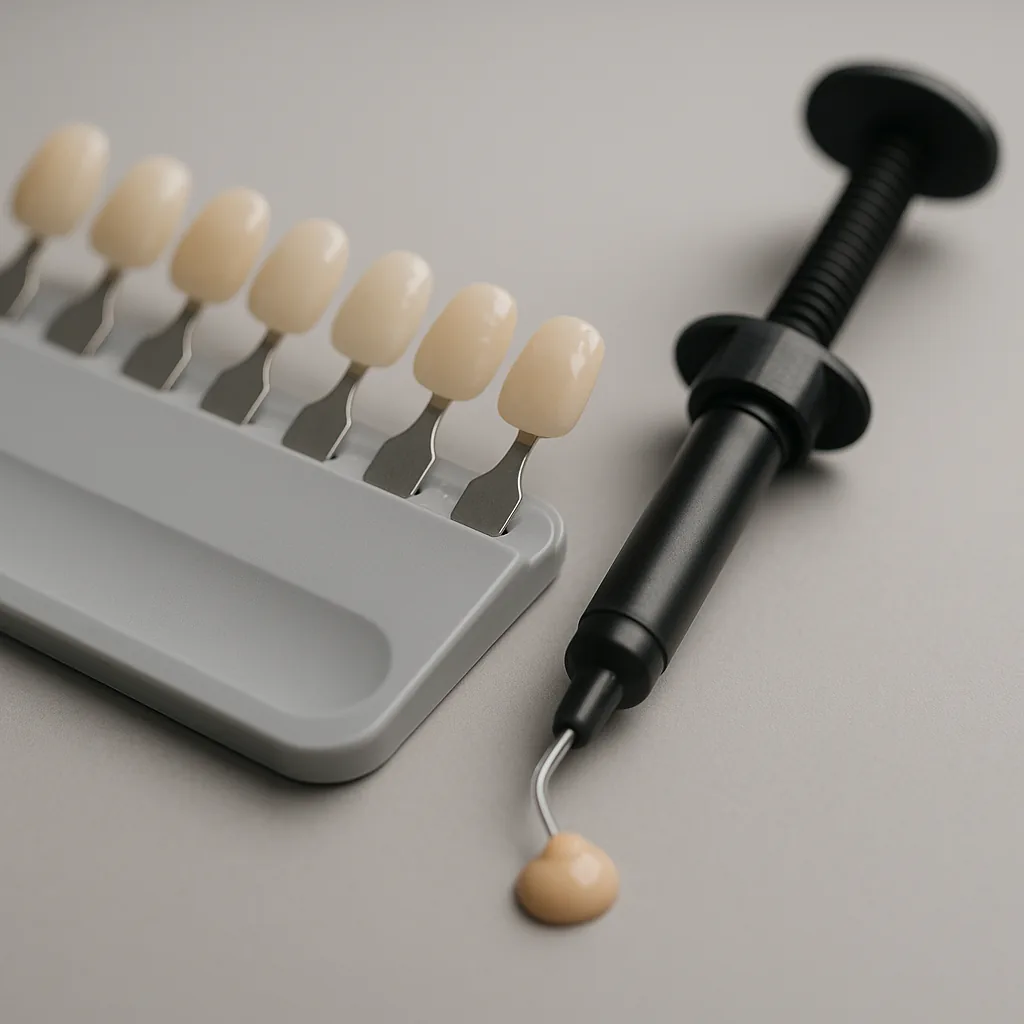
Composite bonding is a cosmetic dental treatment in which tooth-coloured resin is shaped and polished to improve how a tooth looks and functions. It is commonly used for small chips, minor gaps, worn edges, slight unevenness, localised discolouration, and selected shape corrections. Because the material is layered and sculpted directly onto the tooth, it can be a practical way to make focused changes without committing to a more invasive treatment.
The right option depends on what is happening clinically. Some smiles respond well to small bonding changes, while others need a broader plan that may include whitening, clear aligners, crowns, or veneers. We assess this in person so the treatment matches the tooth, the bite, and the result you want.
Who is composite bonding a good fit for?
Composite bonding can suit adults who want a conservative cosmetic improvement without extensive preparation of the teeth. It often works well when the concern is local rather than full-mouth, such as one chipped front tooth, a few small spaces, or edges that have worn unevenly over time. It can also be used to improve the look of teeth after a restorative repair, as long as the tooth structure and bite are suitable.
It is not the right answer for every case. If staining is more widespread, if the teeth are heavily worn, or if the bite places strong forces on the front teeth, another approach may be more appropriate. We assess this in person and explain the options clearly before treatment starts.
What happens during a composite bonding appointment?
Your visit starts with a consultation, a smile assessment, and a discussion of the change you want to achieve. We look at the tooth colour, shape, bite, and any underlying wear or damage, then decide whether bonding is suitable and how it should be planned. In some cases, digital scanning may be used to help with planning and to improve accuracy.
The tooth is then prepared conservatively, the resin is placed and shaped, and the surface is polished to blend with the surrounding teeth. For many suitable cosmetic and restorative treatments, our digital workflow with CEREC CAD/CAM and scanning can reduce the number of visits needed. In suitable cases, that means one planning consultation followed by treatment in one day next time, with minimal back-and-forth.
How much does composite bonding cost?
Composite bonding cost depends on the material used, the number of teeth involved, the complexity of the shape correction, whether any additional planning is needed, and how much finishing time the case requires. A single small repair is usually a lower-tier treatment, while multiple teeth or more detailed cosmetic reshaping sits in a moderate or higher tier depending on the case. If the treatment needs to work alongside whitening, bite adjustment, or a larger smile design plan, that can also affect the overall cost.
We discuss cost honestly during the consultation and explain what drives the fee before any treatment starts. An exact, personalised estimate is given after the consultation, in writing, before any treatment starts.
Why travel from Blair Atholl to Roodepoort for composite bonding?
For patients in Blair Atholl, the practice is a straightforward drive along the N14 / R512 toward Roodepoort, and the trip is often easier outside the main commuter rush because it runs against much of the peak flow. That makes it a realistic option for patients who want a focused cosmetic appointment without repeatedly travelling between visits.
The value of the trip is not only location, but the workflow. Where clinically suitable, our same-day digital process can turn what would often take two or three appointments into one planning consultation and one treatment day. For patients looking for a destination cosmetic result, that combination of convenience, planning, and outcome can make the drive worthwhile.
What a composite bonding visit usually involves
| In-person consultation | Composite bonding visit | |
|---|---|---|
| Purpose | We assess your teeth, bite, and smile goals | We place, shape, and polish the resin |
| Planning | Digital scan or clinical exam may be used | Treatment follows the agreed plan |
| Time in practice | Focused discussion and assessment | Appointment length depends on the number of teeth |
| Materials | Clinical records and shade selection | Tooth-coloured composite resin |
| Trips | Usually one planning visit | Many suitable cases can be completed in one treatment day |
| Outcome | We confirm whether bonding is suitable | We refine shape, symmetry, and local defects |
Related pages
Porcelain Veneers · Smile Makeovers · Cosmetic Dentistry · All treatments & service areas
Frequently asked questions
What is composite bonding?
Composite bonding is a cosmetic dental treatment that uses tooth-coloured resin to improve the shape, surface, or appearance of a tooth. It is often used for chips, small gaps, worn edges, and selected shape corrections. Because it is applied directly to the tooth, it can be a conservative way to make targeted improvements. The right approach depends on the condition of the tooth, the bite, and the result you want, so we assess this in person before treatment.
Does composite bonding suit every smile?
No single cosmetic treatment suits every smile. Composite bonding often works well for localised concerns, but some cases need whitening, clear aligners, crowns, veneers, or another restorative approach. If the teeth are heavily worn or the bite places strong pressure on the front teeth, bonding may not be the right option on its own. We evaluate the teeth and gums first so the treatment plan is clinically appropriate and realistic.
How long does a composite bonding appointment take?
Appointment time depends on how many teeth are being treated, how much shaping is needed, and whether the case is straightforward or more detailed. A small repair is usually simpler than a multi-tooth cosmetic redesign. Many suitable cases can be handled efficiently within our digital workflow, but the exact appointment time is confirmed after examination and planning. We focus on doing the work carefully rather than rushing the finish.
Can composite bonding be done in one visit?
Many suitable cosmetic and restorative cases can be completed in a single treatment day when digital scanning and CEREC CAD/CAM planning are appropriate. That said, not every case qualifies for this approach. If the teeth need more detailed planning, whitening first, or a more complex rebuild, a staged plan may be more appropriate. We assess this in person and explain whether same-day treatment is realistic for your case.
How long does composite bonding last?
Composite bonding can last for a meaningful period, but it is not a one-time permanent solution. Its longevity depends on the location of the tooth, your bite, oral hygiene, habits such as grinding, and how much wear the restoration takes. Regular dental reviews and good home care help maintain the result. If the material chips or stains over time, it can often be repaired or refreshed.
What are the risks or limitations of composite bonding?
The main limitations are wear, staining, and the possibility that the bond may chip if it is exposed to heavy force. Bonding also may not be ideal for every bite or for every type of discoloration. In some cases, a different restorative or cosmetic option gives a more stable result. We discuss these factors during the consultation so you understand the benefits and the limits before choosing treatment.
How should I care for composite bonding after treatment?
Aftercare is usually straightforward. Good brushing, daily interdental cleaning, and regular professional checks help keep the restoration looking tidy. It is sensible to avoid using front teeth for hard biting habits such as opening packaging or crunching hard objects. If you grind your teeth, we may recommend a protective appliance after assessment. Care advice is personalised because the right maintenance depends on the exact treatment and your bite.
How do I get to your practice from Blair Atholl?
From Blair Atholl, patients usually travel toward Roodepoort via the N14 / R512 corridor, which makes the practice a practical drive for a planned cosmetic appointment. We are based in Amorosa, Roodepoort, at Unit 2, Amorosa Office Park. If you are coming for composite bonding, the trip is often easier when you avoid the peak commuter rush. We can help you plan the visit around a consultation and, where suitable, a same-day treatment slot.
Book a consultation
To discuss composite bonding blair atholl with Dr Chalita le Roux, WhatsApp us on 083 710 9131, call 071 884 3204, or send us a message. We are in Amorosa, Roodepoort, open Monday to Friday, 08:00 to 17:00, with free on-site parking.
Written and clinically reviewed by Dr Chalita le Roux, BChD cum laude (University of Pretoria, 2020), HPCSA DP 0118702, member of the South African Academy of Aesthetic Dentistry. In private practice in Roodepoort since 2022.
This page is general information, not a diagnosis or treatment plan. What is right for your teeth is decided at a consultation with a registered dental practitioner.