
If you live in Bromhof and want to fix chips, gaps or discolouration without invasive dental work, composite bonding can be a practical option. At Dr Chalita le Roux Inc in Amorosa, Roodepoort, we use modern bonding techniques and digital workflows to refresh your smile with minimal tooth preparation. This page explains what composite bonding is, who it suits, how it works and what to expect when you travel from Bromhof to our practice.
- Composite bonding is a tooth-coloured resin applied to improve the shape, size and colour of teeth in a minimally invasive way.
- It can be suitable for Bromhof patients with chips, small gaps, worn edges or mild discolouration who want a quicker smile refresh.
- Treatment is usually completed in a single visit, with careful shade matching and shaping by Dr Chalita le Roux from start to finish.
- Cost depends on how many teeth are bonded, case complexity and materials; we discuss options and tiers clearly in consultation.
- Patients from Bromhof reach our Amorosa, Roodepoort practice via Christian de Wet Road or Beyers Naudé Drive in around 15–20 minutes.
What is composite bonding and how can it improve my smile?
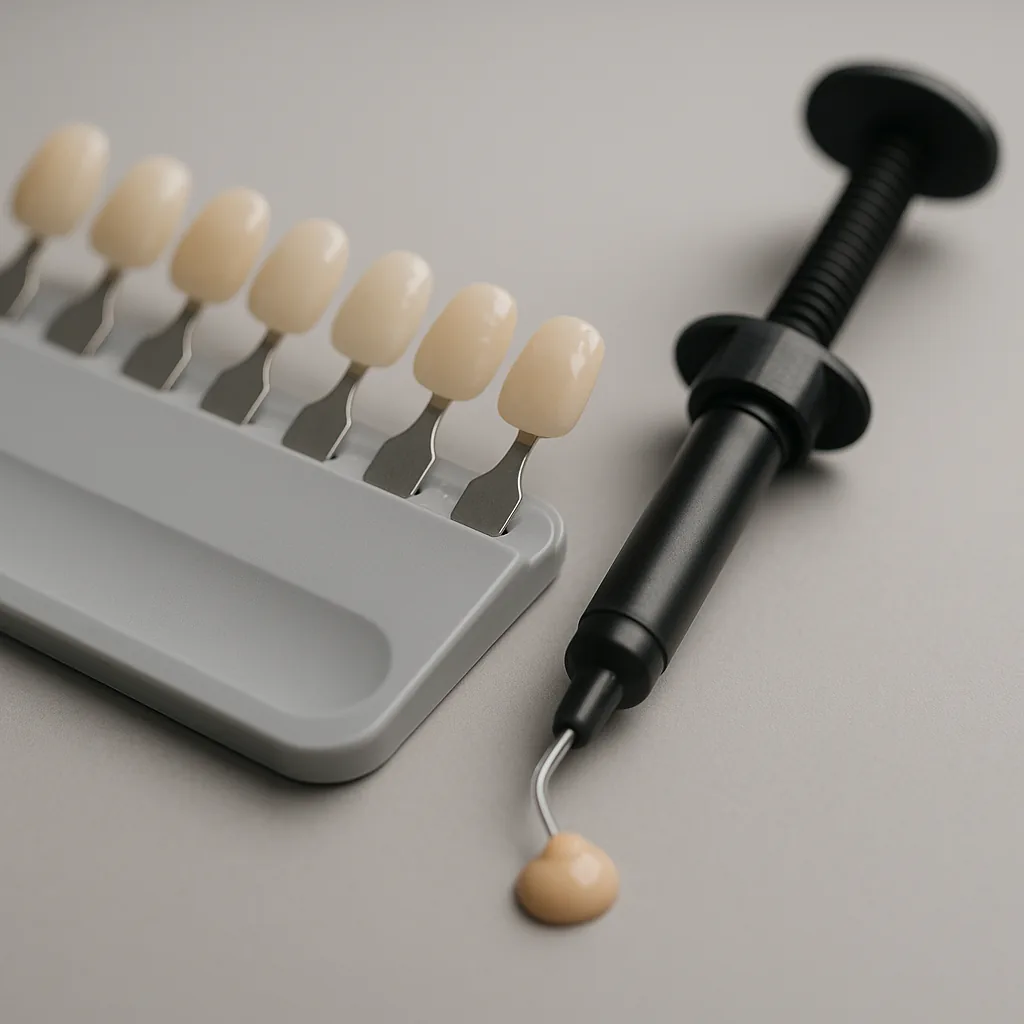
Composite bonding is a cosmetic dental treatment where a tooth-coloured resin is carefully layered onto your teeth to improve their shape, size and colour. The material is sculpted directly on the tooth, then light-cured and polished to blend naturally with your existing enamel. Because it bonds to the tooth surface, only minimal preparation is usually needed compared with more invasive restorative options.
Bonding can be used to mask discolouration, repair small chips, smooth uneven edges, close modest gaps between teeth and refine the overall harmony of your smile. It is often chosen by patients who want noticeable improvement without removing large amounts of tooth structure. At Dr Chalita le Roux Inc in Roodepoort, the focus is on subtle, natural-looking changes that suit your face and your preferences.
As a SAAAD member with a BChD cum laude from the University of Pretoria, Dr Chalita le Roux pays particular attention to detail when planning and placing composite. Shade choice, surface texture and the transitions between bonded areas and natural enamel are all considered carefully so that the final result feels as though it belongs in your mouth, not just on your teeth.
Is composite bonding a good option for me if I live in Bromhof?
Composite bonding may be appropriate if you have healthy teeth and gums but are bothered by cosmetic issues such as chips, mild crowding or spacing, worn edges or small areas of discolouration. It is often suited to patients who want to avoid more extensive procedures and who understand that composite is a conservative way to refresh a smile rather than completely change it. If you have more complex alignment problems, severe wear or underlying gum disease, other treatments may need to be considered alongside or instead of bonding.
For Bromhof residents, the proximity to our practice in Amorosa, Roodepoort makes it convenient to explore whether bonding fits your needs. You can drive east towards Randburg and then continue along Christian de Wet Road or Beyers Naudé Drive towards Roodepoort; the trip typically takes about 15–20 minutes depending on traffic. This makes it practical to attend an initial assessment and, where appropriate, complete treatment in a single visit.
We assess suitability in person. During your consultation, Dr le Roux evaluates your teeth, bite and gum health, listens to what you want to change and discusses realistic outcomes. Photographs and digital scans may be taken to help visualise potential improvements. You will have time to ask questions, compare bonding with alternatives and decide calmly whether this approach matches your goals and lifestyle.
What happens during a composite bonding appointment at your Roodepoort practice?
Your visit for composite bonding starts with a detailed discussion of your concerns and a clinical examination. If bonding is appropriate, we begin by cleaning the teeth and gently preparing the areas to be treated. In many cases, very little enamel needs to be removed. A conditioning gel is then applied to help the resin adhere securely to the tooth surface. The carefully chosen composite shade is placed in small increments so that Dr le Roux can sculpt and shape the tooth precisely.
Once the desired form is achieved, a special light is used to harden the resin. The bonded surfaces are then refined with fine instruments and polished to a smooth, glossy finish that matches the lustre of natural enamel. Throughout the process, you will be involved in checking the appearance, and minor adjustments can be made before the final polish so that you feel comfortable with the result.
Our same-day digital workflow helps streamline the experience. Although composite bonding itself is a chairside procedure, we can use digital scanning and photography to plan your case and, where clinically suitable, coordinate bonding with CEREC CAD/CAM restorations such as crowns or veneers in a single visit. This approach reduces time away from work or family and cuts down on repeated trips from Bromhof to Roodepoort.
What does composite bonding cost and how does it compare with other options?
Composite bonding typically falls into the $$ tier of cosmetic dentistry because it uses high-quality resin materials and requires careful, skilled placement, but usually does not involve laboratory fabrication. The cost is influenced by how many teeth are being treated, the complexity of reshaping or colour correction, the time needed to achieve a natural result and whether additional treatments, such as whitening or clear aligners, are part of your overall plan.
Porcelain veneers and crowns are generally considered in the $$$ tier because they require laboratory or in-practice ceramic fabrication, more appointment time and additional preparation of the teeth. These options may be more suitable when you need significant changes in shape or colour, or when teeth are structurally compromised. Simple contouring or polishing to refine minor imperfections can sometimes sit in the $ tier, as it involves less material and chair time, though it may not achieve the same level of cosmetic change as bonding.
We recognise that Bromhof patients want clarity on costs before committing to treatment. At Dr Chalita le Roux Inc, we discuss the relative tiers and what you receive at each level, then guide you through the pros and cons. An exact, personalised estimate is given after the consultation, in writing, before any treatment starts.
What are the risks, limitations and aftercare for composite bonding?
Composite bonding is considered a conservative treatment, but it does carry some risks and limitations. The resin material is strong, yet it is not as hard as natural enamel or ceramic. Bonded edges can chip or wear over time, especially if you bite directly on hard objects, grind your teeth or open packaging with your teeth. The material can pick up stains from coffee, tea, red wine and tobacco more readily than porcelain, so it may need maintenance or refinishing over the years.
Because composite is added on top of your tooth structure, it requires a stable foundation. If you have untreated cavities, gum problems or a very uneven bite, these issues need to be addressed before bonding. Not every cosmetic concern can be managed with composite alone. For example, significant tooth rotation or very dark underlying discolouration might be better handled with clear aligners, porcelain veneers or a combination of treatments. We assess all of this during your consultation in Roodepoort and explain the limitations openly.
After bonding, you should maintain excellent oral hygiene with thorough brushing and interdental cleaning, attend regular check-ups and cleanings, and avoid habits that place excessive stress on the bonded areas. Dr le Roux will advise whether a night guard is recommended if you clench or grind. With appropriate care and periodic polishing, many patients enjoy their bonded smiles for years, understanding that occasional touch-ups may be part of keeping the result looking fresh.
What a composite bonding visit from Bromhof to Roodepoort usually involves
| Initial consultation visit | Bonding treatment visit | |
|---|---|---|
| Main purpose of the visit | Discuss concerns, examine teeth and gums, and decide whether composite bonding is suitable for your situation. | Carry out the planned bonding on the agreed teeth, refine the shape and polish for a natural finish. |
| Travel from Bromhof | Drive from Bromhof towards Randburg, then continue along Christian de Wet Road or Beyers Naudé Drive to Amorosa, Roodepoort. | Use the same route and plan for a slightly longer stay, as bonding and polishing typically take more time in the chair. |
| Assessment and imaging | Clinical examination, photographs and, where helpful, digital scans to plan the aesthetic changes. | Occasional additional photos or scans to record the result and check that the bonding aligns with the original plan. |
| Discussion of options | Compare composite bonding with alternatives such as contouring, whitening or porcelain restorations and select an approach. | Confirm that you are happy to proceed with bonding as agreed, or adjust the plan if you decide to treat fewer or different teeth. |
| Time in the chair | Shorter visit focused on assessment, explanation and answering questions so you can make an informed choice. | Longer visit for tooth preparation, placement and sculpting of composite, followed by careful finishing and polishing. |
| Cost and planning | Receive a written, personalised estimate and outline of the steps involved before any treatment starts. | Review the estimate again, complete the bonding according to the plan and discuss future maintenance or touch-ups. |
Related pages
Porcelain Veneers · Smile Makeovers · Cosmetic Dentistry · All treatments & service areas
Nearby and related treatments
Composite Bonding in Wilropark, Roodepoort · Composite Bonding in Helderkruin, Roodepoort · Clear Aligners in Bromhof, Roodepoort · Porcelain Veneers in Bromhof, Roodepoort
Frequently asked questions
How long does composite bonding usually take if I come from Bromhof?
Most composite bonding cases are completed in a single treatment visit after your initial consultation, so you typically make two trips from Bromhof to Roodepoort. The consultation is usually shorter, focused on assessment and planning. The bonding appointment itself takes longer, as each tooth is prepared, layered, shaped and polished carefully. Exact timing depends on how many teeth are treated and the complexity of your case, which we estimate in person.
Will composite bonding look natural on my teeth?
Composite bonding is designed to look natural and blend with your existing teeth. Dr Chalita le Roux selects the shade and translucency of the resin to match nearby enamel, then sculpts surface texture and edges so the bonded areas follow your smile line. Careful polishing gives the same kind of shine as natural teeth. During the visit, you will have a chance to see the changes and request minor adjustments before the final polish.
Is composite bonding painful?
Many patients find composite bonding comfortable because it generally involves minimal tooth preparation. In many cases, little or no anaesthetic is required, especially for minor cosmetic refinements. If any sensitive areas are involved, local anaesthetic can be used to keep you relaxed during treatment. We explain each step beforehand, check in with you throughout the visit and adjust our approach if you feel any discomfort.
How long does composite bonding last before it needs to be redone?
Composite bonding can last several years with good oral hygiene and sensible habits, but it is not a once-off solution for life. The resin material can chip or wear and may take on stains over time, particularly if you smoke or frequently consume strongly coloured foods and drinks. Periodic polishing and minor repairs are sometimes needed. During your consultation, we discuss expected longevity for your specific situation and how to reduce the need for early replacement.
Can I whiten my teeth after having composite bonding?
Tooth whitening does not change the colour of existing composite, so we usually plan the sequence carefully. Often, whitening is done first to reach your desired tooth shade, followed by composite bonding matched to this new colour. If you already have bonding and later whiten your teeth, the composite may appear darker than the surrounding enamel and need adjustment. We advise on the right order for treatments during your consultation.
What is the difference between composite bonding and porcelain veneers?
Composite bonding involves placing tooth-coloured resin directly on the tooth in the chair, often with minimal preparation and no laboratory work. Porcelain veneers are thin ceramic shells made using lab or in-practice CAD/CAM technology and then bonded to the prepared tooth. Veneers typically offer enhanced durability and stain resistance and can achieve more extensive changes, but they sit in a higher cost tier and may require more enamel removal. We help you weigh both options during your assessment.
Do I need to change my diet after composite bonding?
You can usually continue eating a normal diet after bonding, but it is sensible to protect the new restorations. Avoid biting directly into very hard foods with bonded edges and do not use your teeth to open bottles or packets. Try to limit exposure to strong pigments from coffee, tea, red wine and smoking, as these can stain composite more readily. Good oral hygiene and regular check-ups help keep your bonded teeth looking their well suited to longer.
How do I book a composite bonding consultation from Bromhof?
If you are in Bromhof and would like to explore composite bonding, you can contact Dr Chalita le Roux Inc in Amorosa, Roodepoort to arrange a consultation. Our WhatsApp booking assistant replies 24/7; appointments are confirmed during practice hours, Monday to Friday, 08:00 to 17:00. During your visit, we examine your teeth, discuss your goals, outline suitable options and provide a written, personalised estimate before any treatment starts.
Book a consultation
To discuss composite bonding bromhof with Dr Chalita le Roux, WhatsApp us on 083 710 9131, call 071 884 3204, or send us a message. We are in Amorosa, Roodepoort, open Monday to Friday, 08:00 to 17:00, with free on-site parking.
Written and clinically reviewed by Dr Chalita le Roux, BChD cum laude (University of Pretoria, 2020), HPCSA DP 0118702, member of the South African Academy of Aesthetic Dentistry. In private practice in Roodepoort since 2022.
This page is general information, not a diagnosis or treatment plan. What is right for your teeth is decided at a consultation with a registered dental practitioner.