
Composite bonding is a tooth-coloured cosmetic treatment that can repair chips, close small gaps and reshape teeth in a single, carefully planned visit. At Dr Chalita le Roux Inc in Amorosa, Roodepoort, patients from Radiokop can enjoy natural-looking results, digital planning and personalised care from one dentist from consultation to final polish.
- Composite bonding uses tooth-coloured resin to repair chips, close gaps and reshape teeth without major drilling.
- Patients from Radiokop are only a short drive from our Amorosa, Roodepoort practice for convenient composite bonding appointments.
- Most bonding cases are completed in a single visit, with digital scanning and careful shade matching for a natural result.
- Cost depends on how many teeth are treated, the complexity of reshaping and whether it is combined with whitening or other treatments.
- An exact, personalised composite bonding estimate is given after your in-person consultation, in writing, before any treatment starts.
What is composite bonding and how can it help my smile?
Composite bonding is a cosmetic dental treatment where a tooth-coloured resin is applied to the front or edges of your teeth to change their shape, size or colour. The material is sculpted directly on the tooth, then light-cured and polished so it blends with your natural enamel. It can be a conservative way to enhance a smile because, in many cases, only minimal tooth preparation is needed.
Patients choose composite bonding to repair small chips, close minor gaps, lengthen worn teeth or soften uneven edges. It can also help mask localised discolouration or refine the proportions of a tooth so your smile line looks more balanced. At Dr Chalita le Roux Inc, bonding is planned with your overall facial features in mind, so the changes look intentional yet natural rather than artificial or bulky.
Is composite bonding a good option for patients from Radiokop?
If you live or work in Radiokop and are considering a cosmetic refresh, composite bonding can be a practical option because it is usually completed in one visit and does not require lab-made restorations. Many Radiokop patients want subtle, efficient improvements that fit into a busy schedule, and bonding can often address chipped edges, small gaps or uneven tooth lengths without a long treatment timeline.
Our practice is in Amorosa, Roodepoort, just a short drive from Radiokop via Christiaan de Wet Road and Hendrik Potgieter Road, depending on your exact starting point and traffic. Many patients find the drive takes only a few minutes, which makes follow-up visits and reviews convenient if they are needed. You see the same dentist, Dr Chalita le Roux, for your consultation, planning and treatment, so you are not handed over between providers.
What is the step-by-step process for composite bonding at your Roodepoort practice?
Your composite bonding journey starts with a thorough consultation with Dr Chalita le Roux, where your concerns, photos and digital scans are reviewed together. During this visit, she assesses your bite, tooth structure, existing fillings and gum health to confirm that composite bonding is appropriate. If needed, we may recommend a scale and polish or whitening before bonding so the final shade matches your brighter tooth colour.
On the bonding day, the teeth are cleaned and isolated, and the enamel surface is gently prepared to help the resin adhere. A tooth-coloured composite is layered in small increments and shaped to achieve the desired length, contour and symmetry. Each layer is cured with a special light, then the tooth is carefully refined and polished. Throughout, Dr le Roux checks how your new tooth shape interacts with your bite and speech. You leave the appointment with your final result in place, rather than a temporary material.
How does composite bonding compare with veneers or crowns for Radiokop patients?
Composite bonding, porcelain veneers and crowns can all improve the appearance of your teeth, but they differ in how much tooth structure they involve, how they are made and how long they typically last. Composite bonding is applied directly in the mouth and can often be done with minimal tooth reduction, making it a conservative option for smaller changes. Porcelain veneers and crowns are fabricated outside the mouth, and at our practice many suitable cases are created in a single visit using our CEREC CAD/CAM system.
For Radiokop patients who want fewer trips, our same-day digital workflow can be appealing. Where clinically suitable, we can scan your teeth instead of using traditional impressions, design the restoration digitally and mill many veneers or crowns on-site in one appointment. In some situations, Dr le Roux may recommend a porcelain veneer or crown rather than composite bonding, especially for heavily filled or cracked teeth. The right option depends on your tooth condition, bite, aesthetic goals and how much maintenance you are willing to accept. These factors are always assessed in person before any treatment is planned.
How much does composite bonding typically cost and what affects the price?
Composite bonding is usually in the $ to $$ range compared with other cosmetic options, but the exact cost depends on several clinical and aesthetic factors. The number of teeth treated, whether the bonding is small and localised or covers larger areas, and whether we are simply smoothing an edge or completely reshaping a tooth all influence the fee. More complex cosmetic cases, for example where several teeth are being harmonised in one arch, move towards the higher end of the composite bonding range.
Additional procedures can also affect cost. If you choose to combine bonding with professional whitening, digital smile planning or replacement of old fillings, this will change the overall treatment plan. Composite bonding is typically less costly than porcelain veneers or crowns ($$ to $$$), but it may require more maintenance and occasional repairs over time. At Dr Chalita le Roux Inc, an exact, personalised composite bonding estimate is given after the consultation, in writing, before any treatment starts.
What does a composite bonding visit involve compared with a same-day veneer or crown?
| Composite bonding visit | Same-day veneer or crown visit | |
|---|---|---|
| Initial consultation | Clinical exam, photos and digital scan where indicated; discussion focused on minor shape, gap and chip corrections. | Clinical exam, photos and digital scan; discussion focused on more extensive changes to shape, strength or colour. |
| Tooth preparation | Often minimal; small surface roughening or contouring to help composite bond to enamel. | More structured preparation to create space for ceramic while preserving as much healthy tooth as possible. |
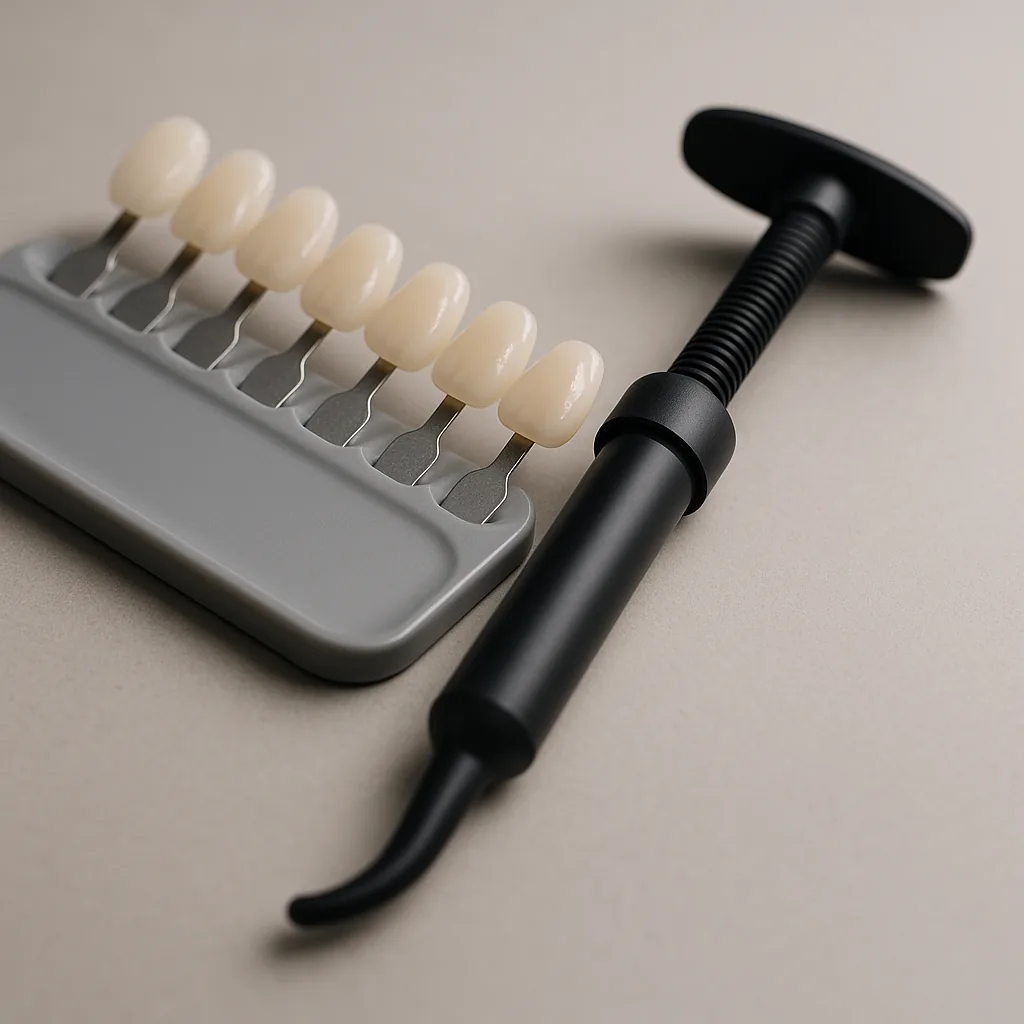
| Technology used | Shade guides, polishing systems and, where helpful, digital photos or scans for planning. | CEREC CAD/CAM design software, digital scanner and in-practice milling unit to create the ceramic restoration. |
| Time in chair | Usually a single appointment where the resin is shaped, set and polished directly on the tooth. | Often a single extended appointment where the tooth is prepared, scanned, the ceramic is made and fitted, where clinically suitable. |
| Result on the day | You leave with your final composite bonded and polished; no temporary needed in typical cases. | You leave with your final ceramic veneer or crown fitted and adjusted, without needing a second fitting visit in many cases. |
| Maintenance and repairs | May require occasional polishing or small repairs if chips or staining occur over time. | Ceramic is more resistant to staining and wear; repairs are less frequent but may be more involved if needed. |
Related pages
Porcelain Veneers · Smile Makeovers · Cosmetic Dentistry · All treatments & service areas
Nearby and related treatments
Composite Bonding in Wilropark, Roodepoort · Composite Bonding in Helderkruin, Roodepoort · 24-Hour Dentist Radiokop · Clear Aligners in Radiokop, Roodepoort
Frequently asked questions
What kinds of problems can composite bonding fix on my front teeth?
Composite bonding can address small chips, worn edges, minor gaps, slight rotations and localised discolouration on front teeth. It is especially helpful when the underlying tooth is healthy and the changes you want are subtle or moderate rather than a full smile makeover. During your consultation, Dr Chalita le Roux will show you which of your concerns can be treated predictably with bonding and which might need a different approach.
How long does composite bonding usually last before it needs maintenance?
Composite bonding is durable, but it is still a resin material and can wear, stain or chip over time, especially if you clench, grind or bite hard objects. With good brushing, flossing and regular professional cleanings, many patients enjoy their bonded edges for several years before they need a polish or small repair. At your check-ups, Dr le Roux will monitor the bonding and suggest maintenance at the right time rather than on a fixed schedule.
Will my composite bonding look natural or like something has been added?
When carefully planned and placed, composite bonding can look very natural. We select a shade that matches your surrounding teeth, layer the resin to mimic natural enamel and dentine, and polish the surface to a similar gloss. The goal is for the changes to blend into your existing smile so that others notice an improvement rather than being able to see where the bonding starts and stops. Your dentist will also consider how the new shapes interact with your lips and facial features.
Is composite bonding painful and will I need an injection?
Many composite bonding procedures can be done with little or no discomfort, especially when we are adding to the tooth rather than significantly reshaping it. In some cases, a small amount of local anaesthetic is recommended to keep you comfortable if we need to adjust the tooth surface more extensively. During your consultation, Dr le Roux will explain whether an injection is likely and discuss how we can make the appointment as relaxed as possible for you.
Can composite bonding be done in one visit if I am coming from Radiokop?
Most composite bonding cases are planned so that the main treatment is completed in a single visit, which suits patients travelling from Radiokop. After your initial consultation and any preparatory steps, such as whitening or a cleaning, the bonding appointment is scheduled with enough time to shape and polish the resin properly. This way, you typically travel once for planning and once for treatment, rather than returning multiple times for the same tooth.
How should I care for my teeth after composite bonding?
Caring for bonded teeth is similar to caring for natural teeth: brush twice daily with a soft toothbrush, floss regularly and attend routine check-ups and professional cleanings. Avoid biting hard objects such as ice, pen caps or nutshells, and consider a protective night guard if you grind your teeth. Limiting dark-coloured drinks or rinsing with water after them can help reduce staining on the resin. Your dentist will give you personalised advice and review your bonding at follow-up visits.
What is the difference between composite bonding and porcelain veneers in terms of cost?
Composite bonding typically falls into the $ to $$ range, while porcelain veneers are generally in the $$ to $$$ range because they involve high-strength ceramic, more complex planning and laboratory or in-practice milling steps. Veneers often offer greater stain resistance and longevity, but they are a bigger investment. During your consultation, Dr le Roux will compare these options, explain what you get with each and provide a written estimate before you decide on treatment.
How do I book a composite bonding consultation at your Roodepoort practice?
You can contact our Amorosa, Roodepoort practice by phone or WhatsApp to arrange a composite bonding consultation with Dr Chalita le Roux. Our WhatsApp booking assistant replies 24/7; appointments are confirmed during practice hours, Monday to Friday, 08:00 to 17:00. At this visit, you can discuss your concerns, learn which options suit your teeth and receive a personalised treatment plan and written cost estimate before any treatment is scheduled.
Book a consultation
To discuss composite bonding radiokop with Dr Chalita le Roux, WhatsApp us on 083 710 9131, call 071 884 3204, or send us a message. We are in Amorosa, Roodepoort, open Monday to Friday, 08:00 to 17:00, with free on-site parking.
Written and clinically reviewed by Dr Chalita le Roux, BChD cum laude (University of Pretoria, 2020), HPCSA DP 0118702, member of the South African Academy of Aesthetic Dentistry. In private practice in Roodepoort since 2022.
This page is general information, not a diagnosis or treatment plan. What is right for your teeth is decided at a consultation with a registered dental practitioner.