
Composite bonding can be a practical way to improve chips, worn edges, small gaps, and uneven tooth shapes. At Dr Chalita le Roux Inc. in Roodepoort, patients from Kyalami Estates can plan treatment in person and discuss whether composite bonding or another cosmetic option is the right choice.
- Composite bonding is a cosmetic treatment that uses tooth-coloured resin to reshape or repair teeth.
- It can suit patients with chips, small gaps, uneven edges, minor wear, or mild shape concerns.
- Your dentist assesses the tooth structure, bite, and smile goals in person before recommending treatment.
- Some cosmetic and restorative cases can be completed efficiently with digital scanning and same-day workflow where clinically suitable.
- Patients from Kyalami Estates usually drive down the N14 toward Roodepoort, with the trip typically taking around half an hour to a little longer depending on traffic.
What is composite bonding and when is it used?
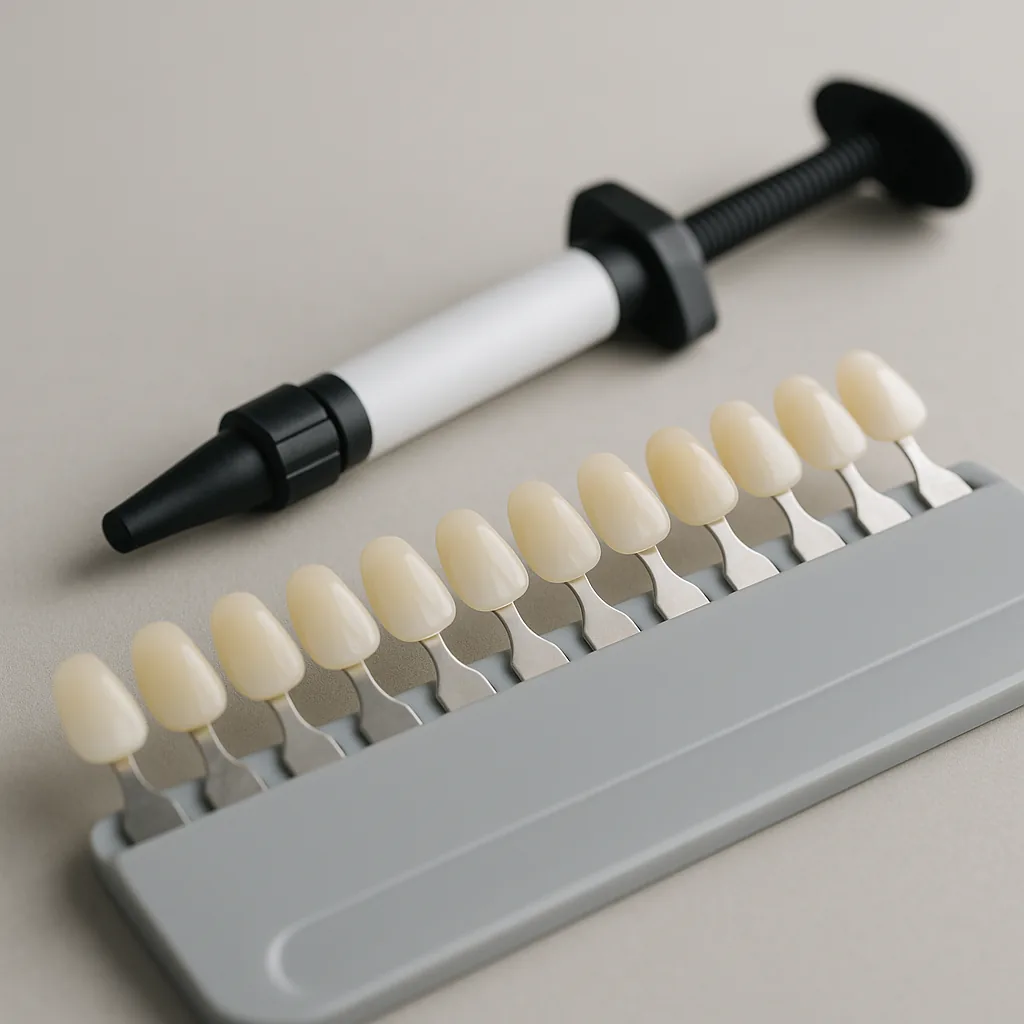
Composite bonding is a cosmetic dental treatment that uses tooth-coloured resin to improve the appearance of a tooth. The material is shaped directly on the tooth and polished so it blends with the surrounding smile. It is commonly used to repair chips, soften worn edges, close small spaces, refine uneven contours, and improve minor colour or shape concerns.
For many patients, the appeal is that the treatment is conservative and highly tailored. The right option depends on the size of the change needed, the condition of the tooth, and how the tooth bites against the opposite teeth. We assess this in person so the plan supports both appearance and function.
At Dr Chalita le Roux Inc., composite bonding is discussed as part of a broader cosmetic assessment, which may also include other restorative or smile-enhancement options if they are more suitable for the tooth in question.
Why would a patient from Kyalami Estates travel to Roodepoort for composite bonding?
For patients in Kyalami Estates, the practice is a drive down the N14 toward Roodepoort, and the route typically takes around half an hour to a little longer depending on traffic and where you start. The trip runs against much of the peak commuter flow into the city, which can make the journey feel more straightforward than people expect.
This visit can be worth the drive when you want a destination cosmetic result and a clear, well-planned treatment process. We use digital scanning and a same-day CAD/CAM workflow for many suitable cosmetic and restorative treatments, including crowns and veneers, so the process can involve one planning consultation and then completion in a single day next time where clinically suitable. That can reduce repeated trips and keep the treatment path efficient.
Composite bonding itself is usually planned around the details of the smile, not just the suburb a patient lives in. Patients often choose to travel when they want a careful aesthetic result, digital planning, and a treatment recommendation based on an in-person assessment.
What happens during a composite bonding consultation?
The consultation begins with a clinical examination and a discussion of what you want to change. Your dentist looks at the tooth surface, existing restorations, bite relationship, gum health, and the way the teeth show when you smile and speak. If composite bonding is appropriate, the shade, shape, and likely extent of the work are planned around those findings.
In some cases, digital scanning may be used to help with planning and communication. Where a different treatment would give a more predictable or durable result, that is explained clearly so you can weigh the options. We assess this in person rather than deciding from photographs alone.
If composite bonding is suitable, the treatment is usually carried out with careful cleaning, surface preparation, resin placement, shaping, and polishing. The aim is to create a natural-looking change that fits the rest of the smile, not an artificial finish.
How much does composite bonding cost and what affects the cost?
Composite bonding cost depends on the number of teeth involved, the amount of reshaping needed, the complexity of the bite, the materials used, and whether planning or follow-up refinement is needed. A small cosmetic adjustment usually sits in a lower tier, while more detailed smile changes can fall into a moderate or higher tier because they require more time and precision.
The cost discussion is also influenced by whether composite bonding is being used alone or as part of a larger cosmetic or restorative plan. In some cases, a different treatment may be more suitable for the long term, and that changes the overall plan as well as the cost profile. We assess this in person.
An exact, personalised estimate is given after the consultation, in writing, before any treatment starts.
How should you care for composite bonding after treatment?
After composite bonding, good home care helps protect the finish and the surrounding teeth. Gentle brushing, daily interdental cleaning, and keeping up with routine dental visits all matter. It is also sensible to avoid habits that place extra stress on the resin, such as biting hard objects or using teeth as tools.
Your dentist may discuss how your bite affects the bonded areas and whether a night guard is helpful if you grind or clench. Composite material can stain over time, so regular reviews and hygiene support are useful for keeping the smile looking fresh.
If you notice roughness, chipping, or a change in the way the tooth feels, it is important to return for assessment. Small refinements are often possible once the tooth is examined in person.
What a composite bonding visit usually involves
| Step | What happens | Why it matters |
|---|---|---|
| Consultation | Clinical exam, smile discussion, and treatment planning | Helps confirm whether composite bonding is appropriate |
| Digital planning | Scanning may be used where it adds value | Improves planning and communication for cosmetic work |
| Treatment | Resin is placed, shaped, and polished | Creates the colour and contour change |
| Review | Bite and finish are checked | Supports comfort and function |
| Aftercare advice | Home care and follow-up guidance are explained | Helps maintain the result |
Related pages
Porcelain Veneers · Smile Makeovers · Cosmetic Dentistry · All treatments & service areas
Frequently asked questions
Is composite bonding suitable for chips and small gaps?
Composite bonding is commonly used for small chips, minor gaps, and teeth that need a subtle shape change. It is often chosen when the change is localised and the surrounding tooth structure is healthy enough to support the resin. The key question is not only whether the tooth can be changed, but whether bonding is the right option for your bite, wear pattern, and long-term goals. We assess that in person before recommending treatment.
How long does composite bonding take?
The time depends on how many teeth are being treated and how detailed the reshaping needs to be. A single tooth may take far less time than a full smile enhancement, and additional planning can add time if the case is more complex. Some patients prefer to combine treatment planning with same-day digital workflows where clinically suitable for related cosmetic or restorative work. Your dentist will explain the expected time after the consultation.
Will composite bonding look natural?
Composite bonding can look very natural when the shade, shape, and surface finish are planned carefully. The result depends on matching the resin to the surrounding teeth and blending the edges properly. It also depends on whether bonding is the right option for the specific tooth. During the consultation, your dentist considers your smile line, tooth proportions, and bite so the result fits your face rather than standing out.
Does composite bonding damage the tooth?
Composite bonding is generally a conservative treatment because it usually involves less tooth preparation than many indirect restorations. Even so, the tooth must still be examined carefully before treatment starts. The condition of the enamel, the existing fillings, and the bite all influence whether bonding is suitable. If a different treatment would preserve the tooth structure more predictably or give a more stable result, that is discussed during the consultation.
How long does composite bonding last?
How long composite bonding lasts depends on the location of the tooth, the forces on it, and how well it is maintained. Teeth that bite heavily or that are exposed to habits such as grinding may need more attention over time. The material can also pick up staining and may need occasional polishing or repair. Regular check-ups and good home care help support the result for longer.
What if I grind my teeth?
If you grind or clench, that does not automatically rule out composite bonding, but it does affect the treatment plan. The dentist may look carefully at wear patterns, bite forces, and whether a protective night guard would help. In some cases, another approach may be more suitable for the areas under stress. That decision is made after examining the teeth in person and understanding how your bite behaves.
How do I get to the practice from Kyalami Estates?
Many patients from Kyalami Estates travel south-west on the N14 toward Roodepoort, then head into Amorosa. The practice is at Unit 2, Amorosa Office Park in Roodepoort, which is usually a straightforward drive depending on traffic and your starting point. The trip is often worth it for patients who want a carefully planned cosmetic result and the convenience of a practice that can use digital scanning and same-day workflows where clinically suitable.
Can I book outside office hours?
You can send a booking request through the WhatsApp assistant at any time, and appointments are confirmed during practice hours. The practice treats patients Monday to Friday, 08:00 to 17:00. This means you can enquire whenever it suits you, while actual treatment takes place during the weekday operating schedule.
Book a consultation
To discuss composite bonding kyalami estates with Dr Chalita le Roux, WhatsApp us on 083 710 9131, call 071 884 3204, or send us a message. We are in Amorosa, Roodepoort, open Monday to Friday, 08:00 to 17:00, with free on-site parking.
Written and clinically reviewed by Dr Chalita le Roux, BChD cum laude (University of Pretoria, 2020), HPCSA DP 0118702, member of the South African Academy of Aesthetic Dentistry. In private practice in Roodepoort since 2022.
This page is general information, not a diagnosis or treatment plan. What is right for your teeth is decided at a consultation with a registered dental practitioner.