
Composite bonding uses tooth-coloured resin to repair small chips, close minor gaps or adjust the shape of suitable teeth. At Dr Chalita le Roux Inc in Roodepoort, Dr le Roux assesses your teeth in person and discusses whether bonding or another treatment suits your needs.
- Composite bonding is tooth-coloured resin shaped onto a tooth to address selected cosmetic concerns.
- It may suit small chips, minor gaps, uneven edges or localised discolouration after an in-person assessment.
- The dentist prepares the tooth as needed, applies and shapes the resin, then hardens and polishes it.
- Bonding can chip or stain and may need repair or replacement; care and review help maintain it.
- Dr Chalita le Roux provides personalised care in Amorosa, Roodepoort, from consultation through treatment.
What is composite bonding?
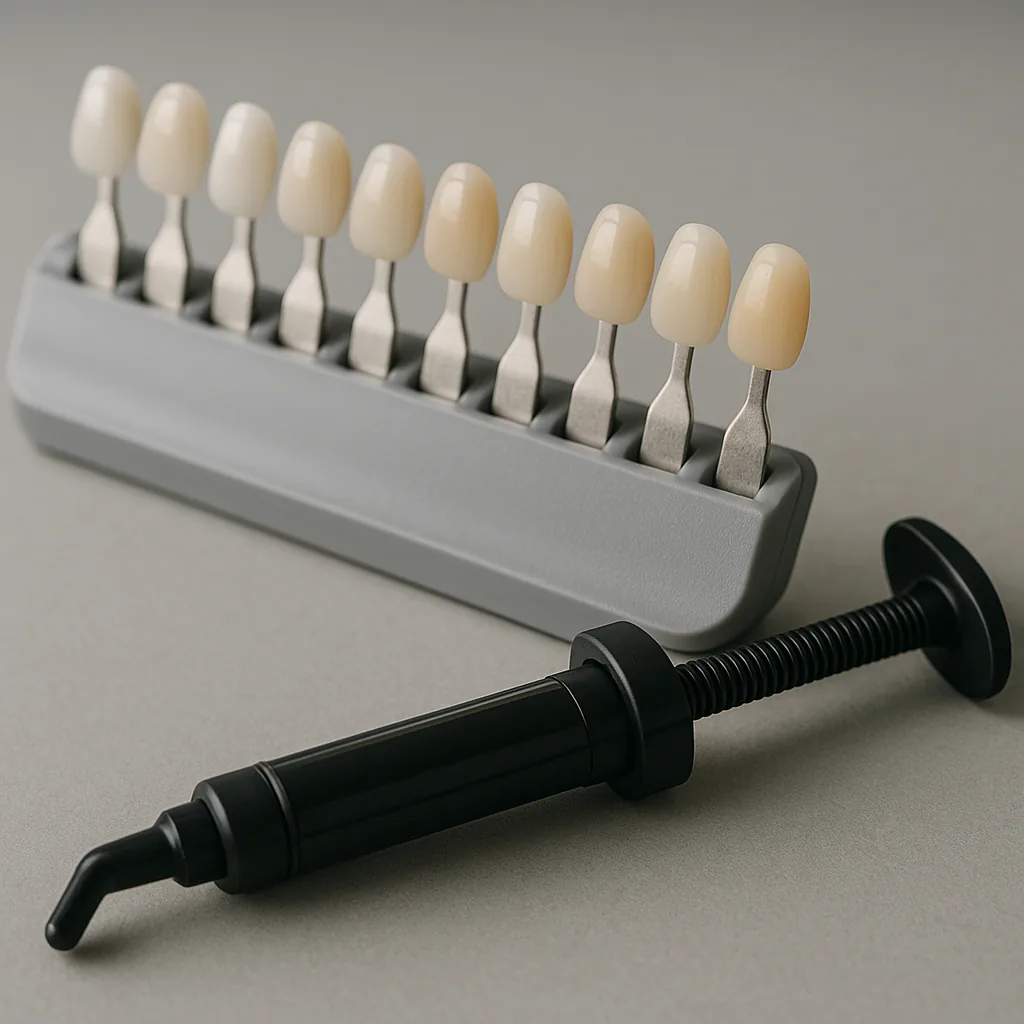
Composite bonding is a conservative dental treatment in which a dentist applies tooth-coloured composite resin to selected areas of a tooth, shapes it and hardens it with a curing light. The material can refine a tooth’s outline or repair a small defect while preserving more natural tooth structure than treatments that require extensive reshaping. The result is planned to blend with the surrounding teeth, although resin and natural enamel can differ in how they reflect light and respond to staining. Bonding is not suitable for every concern: the tooth’s health, bite, position, the size of the repair and your expectations all matter. At Dr Chalita le Roux Inc in Amorosa, Roodepoort, Dr Chalita le Roux assesses these factors in person and explains the options before treatment.
Who can composite bonding help?
Bonding may be considered for a small chip, a minor gap, an uneven edge, a tooth that looks slightly short, or a localised shape or colour concern. It can also be used to repair some small areas of worn or damaged tooth structure. Suitability depends on the cause and extent of the concern, the condition of the enamel, your bite and whether the teeth and gums are healthy. Larger fractures, extensive decay, significant wear, pronounced crowding or a substantial colour change may call for a different approach. If teeth are misaligned, clear aligners may be discussed where appropriate; a crown or veneer may be considered for other clinical reasons. Dr le Roux will assess this in person, explain the trade-offs and help you choose a plan that fits your dental health and goals.
What happens during a composite bonding appointment?
The visit starts with a discussion of what you would like to change and an examination of the teeth, gums and bite. Dr le Roux explains whether bonding is suitable, what shape and shade may be achievable, and whether another option should be considered. If treatment proceeds, the tooth is cleaned and isolated; a small amount of surface preparation may be needed, depending on the case. The resin is applied in layers, shaped to the planned contour and hardened with a curing light. The dentist then checks the bite and refines and polishes the surface. The appointment length depends on the number of teeth and the complexity of the work. Care is personalised by one dentist from assessment through treatment, so questions and adjustments can be discussed directly.
What are the risks and how do I care for bonded teeth?
Composite resin can chip, wear or stain over time, and a bonded area may need polishing, repair or replacement. The material does not behave exactly like natural enamel, so the appearance can change with use and exposure to staining foods and drinks. Some people notice temporary sensitivity after dental treatment; contact the practice if discomfort persists or you are concerned. Brush twice daily with fluoride toothpaste, clean between your teeth, and attend dental reviews as advised. Avoid using teeth to bite hard objects, and take care with habits such as nail biting or chewing ice, which can damage teeth and restorations. If a bonded edge feels rough, changes shape or chips, arrange an assessment rather than trying to adjust it yourself. Dr le Roux can advise on care and review your restoration in person.
How much does composite bonding cost in Roodepoort?
The cost depends on the material used, the amount of resin and shaping required, the number of teeth involved, the complexity of the repair and the expected maintenance over time. A small, localised repair is generally in the $ lower tier; more involved work across several teeth may sit in the $$ moderate tier. Cases requiring additional procedures or a different restoration may fall into the $$$ higher tier. These relative tiers are a guide to the factors involved, not a quote or a promise about the final treatment plan. The right approach depends on an examination, your bite and the condition of the teeth. An exact, personalised estimate is given after the consultation, in writing, before any treatment starts.
How bonding and other restorative options differ
| Consideration | Composite bonding | Crown or veneer |
|---|---|---|
| Typical purpose | Small chips, minor gaps, edge changes or localised shape concerns | Selected cases needing a broader change in tooth shape, coverage or restoration |
| Tooth preparation | Often conservative; preparation depends on the tooth and planned result | Preparation varies by restoration and clinical need |
| Material | Tooth-coloured composite resin shaped directly on the tooth | A restoration made from a material selected for the case |
| Appointment process | Resin is applied, shaped, hardened and polished; timing depends on the case | May involve a laboratory or a same-day digital workflow where clinically suitable |
| Maintenance | May need polishing, repair or replacement if it chips, wears or stains | Requires ongoing oral care and dental review; maintenance depends on the restoration |
| Suitability | Assessed according to tooth health, bite, size of concern and desired change | Assessed according to tooth health, bite, extent of damage and treatment goals |
Related pages
Porcelain Veneers · Smile Makeovers · Cosmetic Dentistry · All treatments & service areas
Nearby and related treatments
Composite Bonding in Allens Nek, Roodepoort · Composite Bonding in Ruimsig, Roodepoort · Composite Bonding in Wilgeheuwel, Roodepoort · Composite Bonding in Wilropark, Roodepoort
Frequently asked questions
Does composite bonding hurt?
Bonding is generally a straightforward procedure, and extensive tooth preparation is often not needed. What you feel depends on the tooth and the work required; some people experience temporary sensitivity. Dr le Roux will explain the planned steps and discuss comfort with you before starting. If you have concerns during treatment or sensitivity afterwards, contact the practice for advice and an assessment.
How long does composite bonding last?
Bonding does not have a fixed lifespan. How long it remains in good condition depends on the size and position of the repair, your bite, oral care, diet and habits such as biting hard objects. Resin can chip, wear or stain, and may need polishing, repair or replacement. Dr le Roux can discuss likely maintenance for your case and review the bonded teeth during dental visits.
Can composite bonding close a gap between my teeth?
Bonding may close a small gap by adding resin to the edges of suitable teeth, but it is not right for every gap. The cause, size, tooth proportions, bite and gum health affect the result. Dr le Roux will assess this in person and explain whether bonding, clear aligners or another approach is appropriate. The aim is to plan a result that suits your teeth and oral health.
Can bonding cover stained teeth?
Composite resin can change the appearance of a localised discoloured area in selected cases, but it may not address widespread or deep staining as intended. The shade and condition of neighbouring teeth also affect how well the result blends. Dr le Roux will examine the teeth, discuss the cause of the colour concern and explain suitable options. A consultation helps set realistic expectations before any treatment begins.
Can composite bonding be whitened?
Whitening products do not lighten composite resin in the same way they can lighten natural teeth. If you are considering whitening as well as bonding, discuss the order and shade plan with Dr le Roux before treatment, since the resin shade is selected to suit the teeth at the time. An in-person assessment can help determine a suitable plan and whether existing bonding may need attention.
Is composite bonding reversible?
Bonding is often conservative, but it should not be described as fully reversible in every case. Some teeth need surface preparation, and removing or changing resin may affect the tooth or require further treatment. The amount of preparation depends on the tooth and the planned result. Dr le Roux will explain what is involved for your teeth and discuss alternatives before you decide whether to proceed.
How do I look after composite bonding?
Brush twice daily with fluoride toothpaste, clean between your teeth and keep up with dental reviews. Avoid biting hard objects or using your teeth to open packaging, as these habits can chip resin or natural teeth. Staining foods and drinks may affect the surface over time. If a bonded area chips, feels rough or changes, contact the practice so it can be assessed rather than attempting a home repair.
Where can I have composite bonding in Roodepoort?
Dr Chalita le Roux Inc is at Unit 2 Amorosa Office Park, Amorosa, Roodepoort, Johannesburg. Dr Chalita le Roux, BChD cum laude from the University of Pretoria and an SAAAD member, provides care from consultation through treatment. The nearby practice offers a convenient option for local patients, with suitability and treatment plans discussed in person. Contact the practice to arrange a consultation.
Book a consultation
To discuss composite bonding with Dr Chalita le Roux, WhatsApp us on 083 710 9131, call 071 884 3204, or send us a message. We are in Amorosa, Roodepoort, open Monday to Friday, 08:00 to 17:00, with free on-site parking.
Written and clinically reviewed by Dr Chalita le Roux, BChD cum laude (University of Pretoria, 2020), HPCSA DP 0118702, member of the South African Academy of Aesthetic Dentistry. In private practice in Roodepoort since 2022.
This page is general information, not a diagnosis or treatment plan. What is right for your teeth is decided at a consultation with a registered dental practitioner.