Dental bonding cost depends on what needs to be corrected, how many teeth are involved, the materials used, and how complex the smile design is. At Dr Chalita le Roux Inc in Roodepoort, we assess this in person and give a personalised written estimate before any treatment starts.
- Dental bonding cost is shaped by the size of the repair, the number of teeth, and the level of detail needed.
- Small cosmetic changes usually fall into a lower tier, while more detailed smile work needs a higher tier of planning and materials.
- Where clinically suitable, digital scanning and CEREC CAD/CAM can support a same-day workflow for selected crowns and veneers.
- You see one dentist from consultation to finish, which keeps care personal and convenient for Roodepoort patients.
- An exact, personalised estimate is given after the consultation, in writing, before any treatment starts.
What affects dental bonding cost?
Dental bonding cost is mainly shaped by how much tooth structure needs to be restored, whether the aim is cosmetic or functional, and how many teeth are being treated. A small chip, a worn edge, or a minor shape correction usually takes less chair time and planning than a broader smile make-over or a repair that must also protect bite function. The right option depends on what we find when we assess the tooth in person.
Materials and technique also matter. Composite resin, shade matching, layering, and polishing all influence the time and detail involved. If the case is straightforward, the cost pattern is usually in the lower tier; if the design needs more chair time, laboratory support, or a more involved rebuild, the cost moves into a higher tier. We explain these factors clearly during the consultation so you know what you are paying for.
How is dental bonding priced for a single tooth versus several teeth?
For a single tooth, bonding cost is usually driven by the exact size of the defect and the level of cosmetic blending needed. Small edge repairs and minor contour changes generally require less work than rebuilding a visible front tooth or matching a tooth that has older restorations nearby. Even when the concern looks minor, we still assess the tooth in person to confirm whether bonding is the right material and technique.
For several teeth, the price is influenced by the number of surfaces treated, the time needed to match shade and shape across the smile, and whether the plan is purely cosmetic or also restorative. Cases that involve multiple teeth can move into a moderate or higher tier because the treatment must look balanced across the whole smile. Where clinically suitable, our digital workflow can help streamline planning and reduce repeated visits.
When is dental bonding a suitable option?
Dental bonding can suit patients who want to repair chips, close small gaps, improve uneven edges, or refine the shape of front teeth. It is also used in some restorative cases where a tooth needs a conservative repair and the surrounding tooth structure is healthy enough to support it. Because bonding is tooth-coloured and minimally invasive, it is often considered when we want to preserve as much natural tooth as possible.
It is not the right option for every mouth. If a tooth has a larger structural problem, heavy wear, significant bite stress, or recurrent damage, another approach may be more suitable. We assess this in person and explain the options in clear language, so the plan matches your tooth condition, your smile goals, and your budget.
How does bonding compare with crowns or veneers on cost?
Bonding is often the lower-cost cosmetic option when the correction is small and the tooth structure is sound. Veneers and crowns may involve more planning, more detailed preparation, and in some cases laboratory work or digital manufacturing, so they usually sit in a higher tier. The right choice depends on how much of the tooth needs support, how visible the tooth is when you smile, and how much change you want to see.
At Dr Chalita le Roux Inc, we use digital scanning and CEREC CAD/CAM where clinically suitable, which can support a single-visit approach for many crowns and veneers. That can reduce time away from work and limit repeat trips to the practice. We still decide this case by case in consultation, because the treatment must fit the tooth, the bite, and the final appearance you want.
What happens during the consultation and treatment visit?
Your visit starts with a dental assessment, discussion of your concerns, and a look at the tooth or teeth that need attention. We explain whether bonding is suitable, what the procedure involves, and how the cost is affected by the amount of work needed. If another treatment would serve you more appropriately, we explain that as well and answer your questions before anything begins.
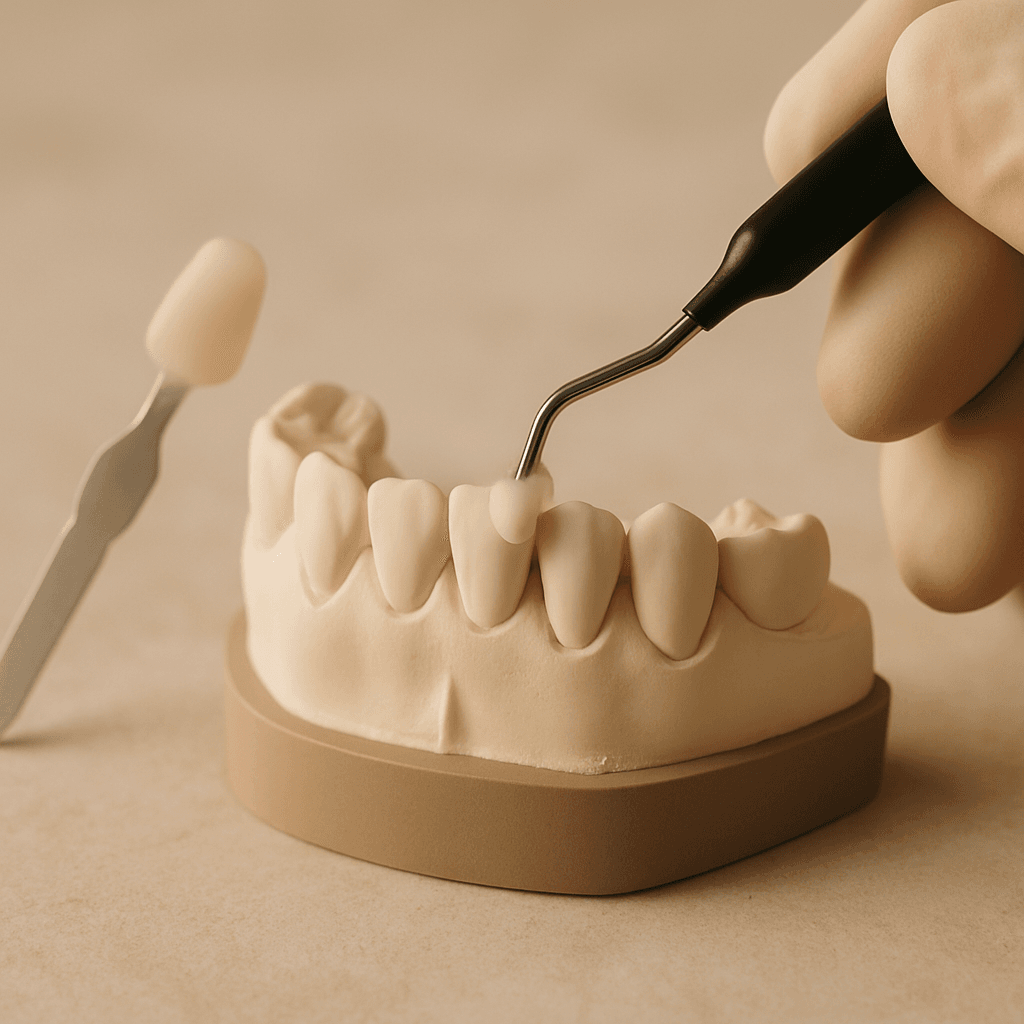
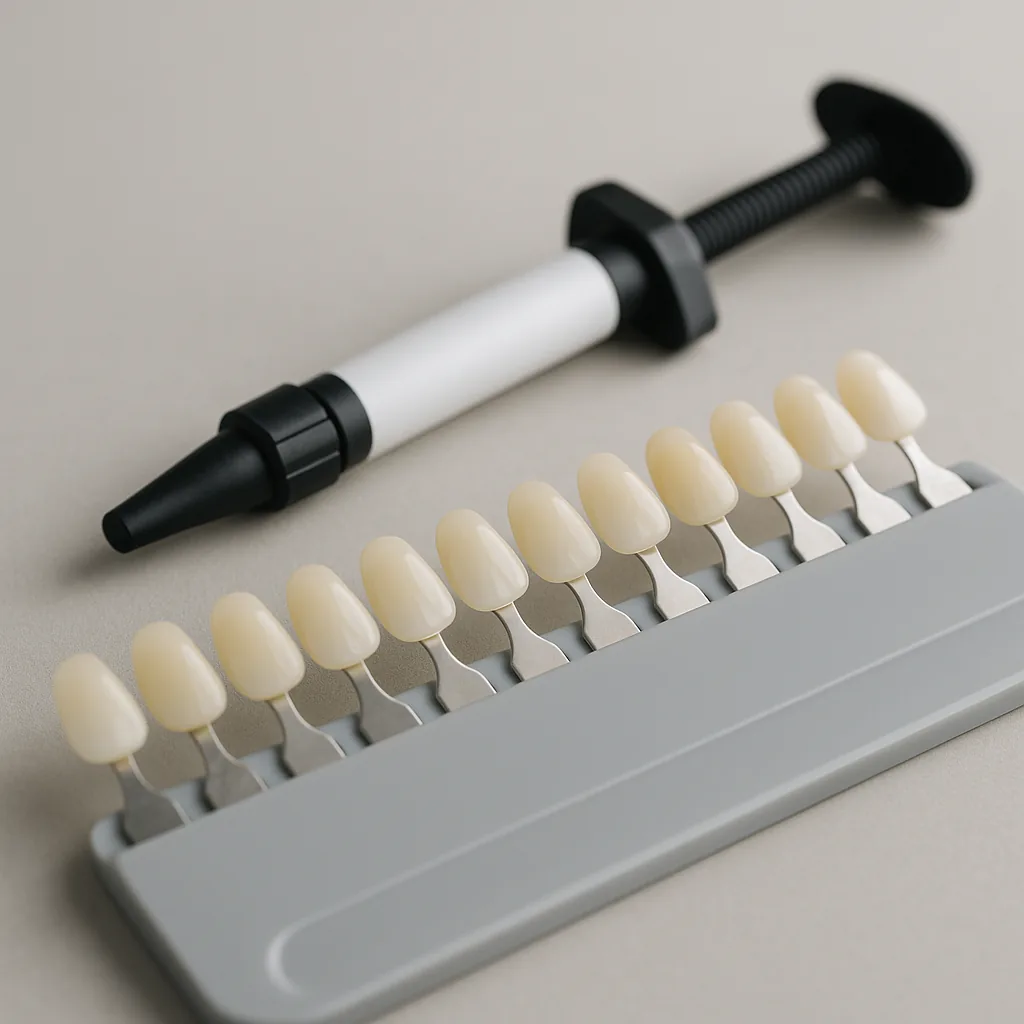
If bonding is the chosen treatment, the tooth is prepared conservatively, the shade is selected, and the resin is placed and shaped to match the surrounding teeth. The surface is then refined and polished for a natural finish. For selected crowns and veneers, our same-day digital workflow can reduce the number of visits where clinically suitable. You see one dentist throughout, which helps keep the experience personal and consistent.
How the main cosmetic options differ by cost tier and value
| What you want | Dental bonding | Crown or veneer |
|---|---|---|
| Small chip or edge repair | Lower tier; conservative repair with minimal tooth removal | Higher tier; usually more treatment than needed for a small defect |
| Visible front-tooth shape change | Lower to moderate tier; useful for subtle reshaping | Moderate to higher tier; used when more complete coverage is needed |
| Single-visit workflow | Often efficient for straightforward cases | Where clinically suitable, digital planning can support a same-day visit |
| Lab or digital manufacturing | Usually less involved | Often more involved, depending on the case |
| How much tooth is covered | Only the repaired area | More of the tooth surface is covered |
| Clinical durability needs | Suitable for selected conservative repairs | Chosen when more structural support is needed |
| Aesthetic change | Good for targeted improvement | Broader smile transformation when indicated |
Related pages
Smile Makeovers · Cosmetic Dentistry · Book a Cosmetic Consultation · All treatments & service areas
Nearby and related treatments
Composite Bonding in Wilropark, Roodepoort · Composite Bonding in Helderkruin, Roodepoort · Composite Bonding in Roodekrans, Roodepoort · Composite Bonding in Northcliff, Roodepoort
Frequently asked questions
How much does dental bonding cost in Roodepoort?
Dental bonding cost in Roodepoort depends on the tooth condition, the number of teeth involved, the extent of the repair, and the finish required. A small repair is usually a lower-tier case, while multiple teeth or a more detailed cosmetic result can move the plan into a higher tier. We assess this in person at Dr Chalita le Roux Inc and explain what is included before treatment begins. An exact, personalised estimate is given after the consultation, in writing, before any treatment starts.
Why can the cost of bonding vary so much?
The cost can vary because not every tooth needs the same amount of time, shaping, colour matching, or polishing. A simple edge repair is very different from restoring a tooth that has wear, staining, or a more complex cosmetic concern. The material choice and the number of teeth also influence the plan. We assess this in person so the estimate reflects the actual work needed.
Is bonding a lower-cost option than veneers?
Bonding is often a lower-tier option when only a small area needs improvement and the tooth structure is healthy. Veneers usually involve more planning and a broader cosmetic change, so they commonly sit in a higher tier. The right option depends on the condition of the tooth, the result you want, and whether the tooth needs more coverage. We assess this in person before recommending a plan.
Can I get a same-day result?
Many suitable cases can be completed efficiently because we use digital scanning and CEREC CAD/CAM where clinically suitable. That can help reduce repeated trips and time away from work. The final decision depends on the tooth, the bite, and the type of restoration needed. We assess this in person and explain whether a same-day workflow is appropriate for your case.
Does bonding need a lot of tooth removal?
Bonding is generally considered a conservative treatment because it aims to preserve natural tooth structure. In many cases, only minimal preparation is needed, although the exact approach depends on the tooth and the correction required. We assess this in person because the amount of preparation should suit the clinical situation. The goal is to restore the tooth while keeping treatment as conservative as possible.
How long does bonding last?
How long bonding lasts depends on oral habits, bite forces, the location of the tooth, and how well the restoration is maintained. Front teeth that are used gently may stay in good condition for longer than teeth that experience heavy bite stress. Regular check-ups and good home care help support the restoration. We assess this in person so you know whether bonding is a suitable choice for your long-term needs.
What should I expect after the procedure?
After bonding, the tooth may feel slightly different for a short period while you get used to the new shape. We give you simple aftercare advice about eating, cleaning, and protecting the restoration. It is sensible to avoid biting very hard objects with the treated tooth. If you grind your teeth or have a heavy bite, we may discuss additional protection during the consultation.
Where is the practice and who will treat me?
Dr Chalita le Roux Inc is in Unit 2, Amorosa Office Park, Amorosa, Roodepoort, Johannesburg. You are treated by Dr Chalita le Roux, BChD cum laude from the University of Pretoria, 2020, and a SAAAD member. Patients from Roodepoort appreciate having personalised care from one dentist start-to-finish, with a convenient local practice and a clear treatment plan based on an in-person assessment.
Book a consultation
To discuss dental bonding cost with Dr Chalita le Roux, WhatsApp us on 083 710 9131, call 071 884 3204, or send us a message. We are in Amorosa, Roodepoort, open Monday to Friday, 08:00 to 17:00, with free on-site parking.
Written and clinically reviewed by Dr Chalita le Roux, BChD cum laude (University of Pretoria, 2020), HPCSA DP 0118702, member of the South African Academy of Aesthetic Dentistry. In private practice in Roodepoort since 2022.
This page is general information, not a diagnosis or treatment plan. What is right for your teeth is decided at a consultation with a registered dental practitioner.