Zirconia dental implants are a tooth-replacement option made from a ceramic material, and they may suit patients who want a metal-free alternative for specific clinical situations. At Dr Chalita le Roux Inc in Roodepoort, Johannesburg, we assess this in person to confirm whether zirconia implants are appropriate for your mouth, your bite, and your long-term oral health.
- Zirconia dental implants are a metal-free implant option that may suit selected patients.
- The right option depends on bone quality, gum health, bite forces, and the position of the missing tooth.
- A consultation is needed to assess whether zirconia implants, a different implant type, or another restoration is appropriate.
- Cost depends on materials, laboratory work, the number of teeth involved, and the complexity of treatment.
- At our Roodepoort practice, one dentist manages your care from consultation through to planning and follow-up.
What are zirconia dental implants?
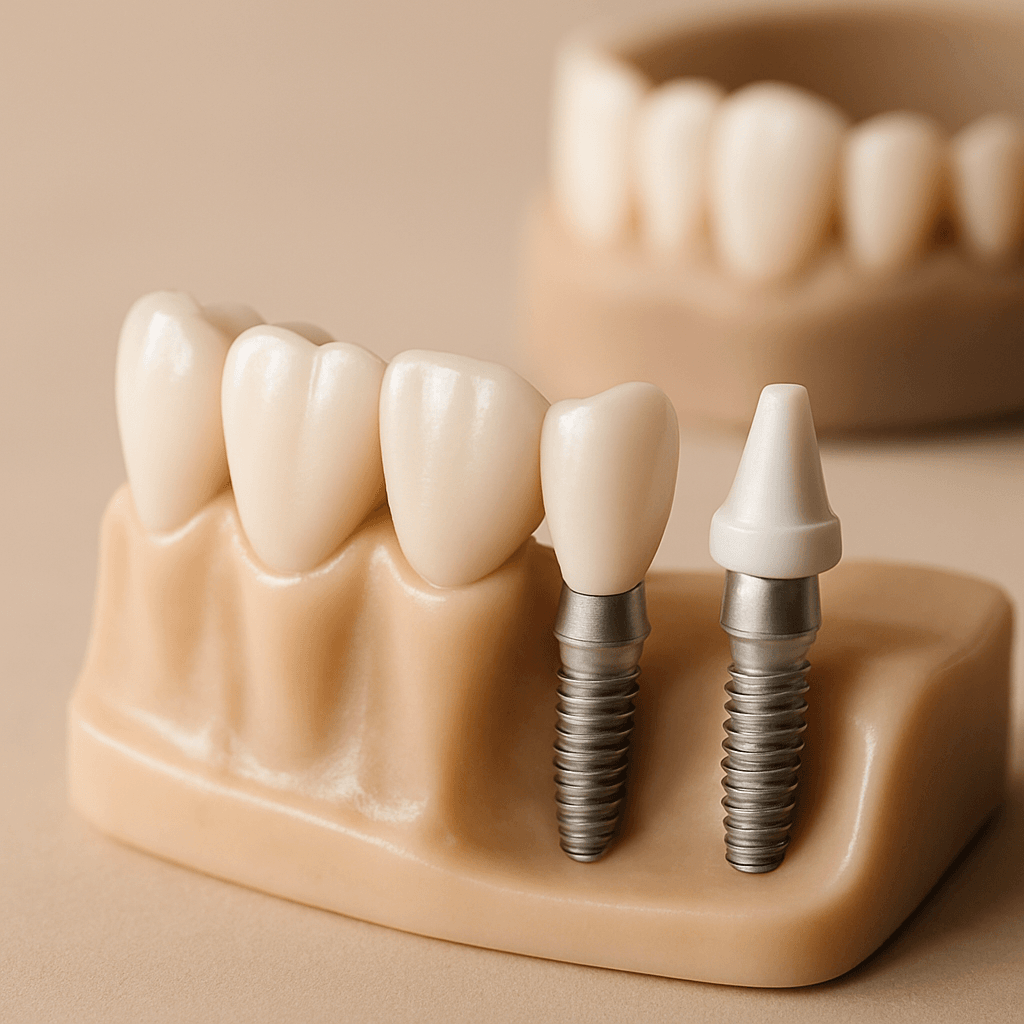
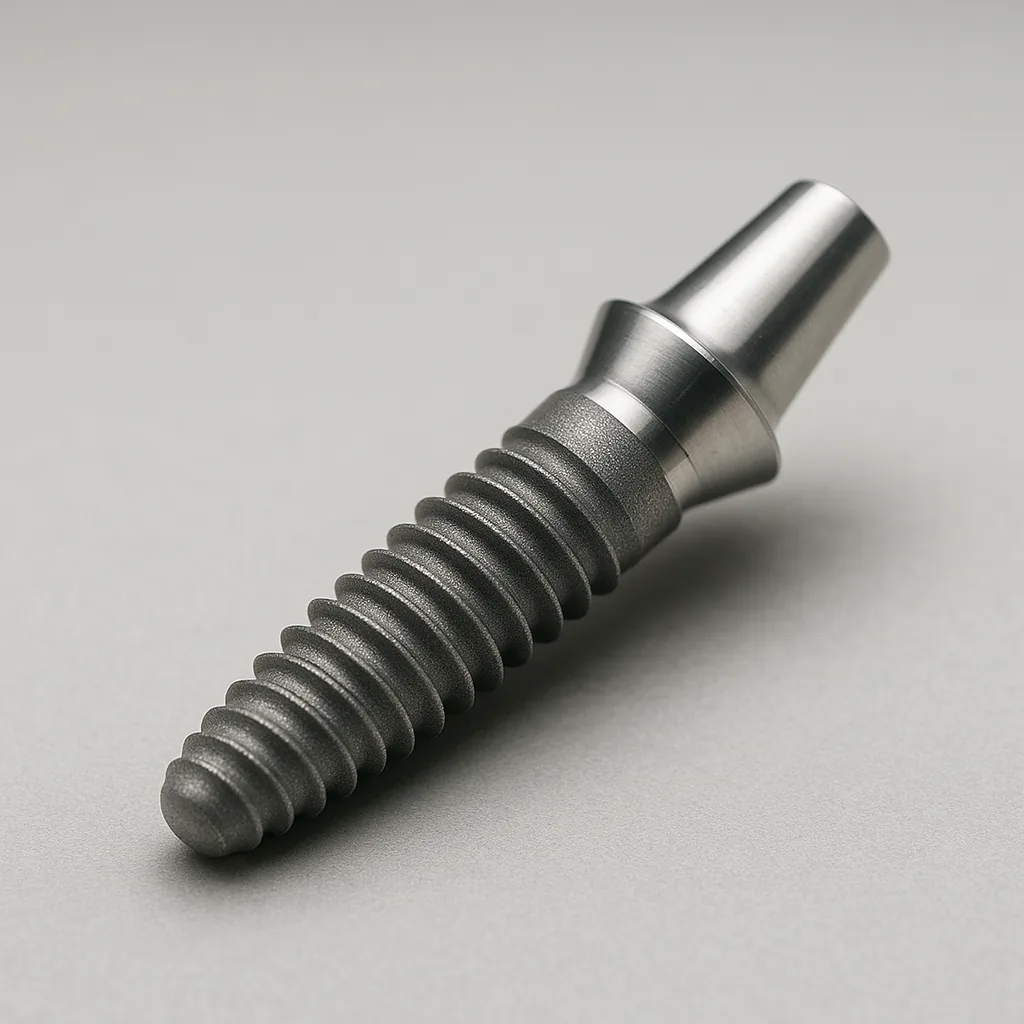
Zirconia dental implants are tooth-root replacements made from zirconia, a strong ceramic material used in selected implant treatments. They are designed to support a replacement tooth or restoration after a missing tooth has been assessed for implant treatment. Because the material is ceramic rather than metal, some patients look into zirconia when they want a metal-free option.
Not every missing tooth case is suitable for zirconia implants, and the clinical plan depends on the health of the gums, the available bone, the bite, and the location of the tooth. We assess this in person so that the treatment recommendation is based on your mouth, not on a general description alone.
Who may need zirconia dental implants?
Zirconia dental implants may suit patients who are considering an implant-based replacement and want a ceramic material for a specific reason. They may be discussed when a patient has a visible tooth in the smile line, has a preference for a metal-free option, or wants a restoration plan that is matched carefully to the surrounding teeth and gums.
They are not the right option for every situation. Some cases need different implant planning, different materials, or a non-implant solution such as a bridge or removable restoration. During your consultation, we assess the tooth loss, the supporting bone, the gum condition, and your bite to determine what is clinically suitable.
How does the implant consultation and treatment planning work?
Your visit starts with a clinical examination and a detailed discussion of your goals, medical history, and current oral health. We then assess the missing tooth area, the gums, and the surrounding teeth so we can determine whether implant treatment is appropriate and whether zirconia is a sensible material choice. This step is important because implant treatment must be planned around your anatomy and your bite.
At Dr Chalita le Roux Inc in Roodepoort, Johannesburg, you are seen by one dentist from start to finish, which supports continuity and clear communication. Where clinically suitable, our digital workflow with scanning and CEREC CAD/CAM helps us complete many crowns and veneers in a single visit, which can reduce time away from work and limit repeat appointments. For implant-related care, however, we still route every decision to an in-person assessment so the treatment plan is accurate and safe.
What are the possible benefits and limitations of zirconia implants?
The main attraction of zirconia implants is that they provide a metal-free implant option. For some patients, that is an important preference when discussing long-term restoration planning. Zirconia is also used in dentistry because it can be shaped for precise restorative work and can integrate well into a carefully planned treatment sequence when the case is suitable.
The limitations are equally important. Zirconia implants are not suitable for every mouth, every bite, or every missing tooth location. Long-term success depends on a range of factors, including bone support, gum health, oral hygiene, and how the restoration is designed. That is why a consultation matters: the right option depends on your specific clinical situation rather than on the material alone.
What does zirconia dental implant cost depend on?
The cost of zirconia dental implants depends on several clinical and laboratory factors, including the material selected, the number of teeth involved, the extent of planning required, the complexity of the case, and the work needed to create the final restoration. If additional steps are needed before implant placement or restoration, that can also affect the overall treatment plan.
Because every mouth is different, a meaningful estimate can only be given after an examination and planning discussion. We explain the likely treatment stages, the material choices, and the relative cost tier involved so you can understand what drives the fee. An exact, personalised estimate is given after the consultation, in writing, before any treatment starts.
What happens during a zirconia implant visit?
| Visit step | What we assess | What you gain |
|---|---|---|
| Examination | The missing tooth area, gums, bite, and surrounding teeth | A clearer understanding of whether implant treatment may suit you |
| Planning | Material choice, clinical complexity, and restorative needs | A treatment direction tailored to your mouth |
| Digital support | Scanning and digital workflow where clinically suitable | Efficient planning with fewer unnecessary repeat visits |
| Personal care | One dentist oversees your treatment journey | Continuity, clear communication, and consistent planning |
Related pages
Smile Makeovers · Cosmetic Dentistry · Book a Cosmetic Consultation · All treatments & service areas
Nearby and related treatments
All On 4 Dental Implants in Poortview, Roodepoort · Cost Of Tooth Implant In South Africa · Dental Implants Vs Dentures: Which Is Right for You? · Types Of Dental Implants Cost
Frequently asked questions
Are zirconia dental implants suitable for everyone?
No. Zirconia dental implants may suit some patients, but they are not appropriate for every clinical situation. Suitability depends on the bone available, gum health, bite forces, the position of the missing tooth, and the overall treatment goal. A consultation is needed so we can assess your mouth in person and decide whether zirconia, a different implant material, or another restoration is the right option.
Why do some patients ask for zirconia instead of metal implants?
Some patients prefer a metal-free implant option for personal or clinical reasons. Others want to discuss how the material may fit with the appearance of a visible tooth replacement. The material choice should still be guided by the clinical findings, because the right option depends on bone support, gum condition, and how the final restoration must function in your bite.
How long does the zirconia implant process take?
The timeline varies from patient to patient because implant treatment is planned around healing, the condition of the bone and gums, and the restorative steps needed to complete the tooth replacement. Some cases are straightforward, while others need more planning before treatment can begin. During consultation, we explain the likely sequence so you know what to expect before any work starts.
Does zirconia implant treatment hurt?
Patients often worry about discomfort, but the experience depends on the procedure, the area treated, and individual sensitivity. We discuss comfort measures as part of the treatment plan and explain what you may feel during and after the appointment. Because every case is different, we assess this in person and plan care around your needs and the clinical complexity of the treatment.
What are the risks of zirconia dental implants?
As with any implant treatment, risks can include healing complications, gum inflammation, bite-related stress, or the need for further treatment if the tissues do not respond as expected. The risk profile also depends on your oral hygiene, gum health, bone support, and treatment design. We review these factors during consultation so you understand the possible risks before deciding on treatment.
Can zirconia implants be used for a front tooth?
They may be considered in front-tooth cases where the clinical situation supports implant treatment and where the material choice suits the planned restoration. Front teeth require careful attention to appearance, gum contours, and bite forces. We assess this in person so that the implant and restoration are selected for the specific tooth position and the surrounding tissues.
What if I am not suitable for zirconia implants?
If zirconia implants are not suitable, we can discuss other ways to replace a missing tooth, including different implant materials or non-implant restorations such as a bridge or removable option. The right option depends on your oral health, your goals, and the clinical findings. We explain the alternatives clearly so you can make an informed decision.
Where can I get zirconia dental implant advice in Roodepoort?
You can book a consultation at Dr Chalita le Roux Inc in Amorosa, Roodepoort, Johannesburg for personalised implant advice. Dr Chalita le Roux, BChD cum laude from the University of Pretoria, assesses each case in person and plans treatment around your specific needs. Our practice offers convenient local care for patients in Roodepoort who want one dentist to manage their treatment journey from start to finish.
Book a consultation
To discuss zirconia dental implants with Dr Chalita le Roux, WhatsApp us on 083 710 9131, call 071 884 3204, or send us a message. We are in Amorosa, Roodepoort, open Monday to Friday, 08:00 to 17:00, with free on-site parking.
Written and clinically reviewed by Dr Chalita le Roux, BChD cum laude (University of Pretoria, 2020), HPCSA DP 0118702, member of the South African Academy of Aesthetic Dentistry. In private practice in Roodepoort since 2022.
This page is general information, not a diagnosis or treatment plan. What is right for your teeth is decided at a consultation with a registered dental practitioner.