

A four-unit dental bridge replaces a gap using a connected set of four crowns, supported by natural teeth or implants, depending on your case. Its cost in South Africa depends on the materials, laboratory work, supporting teeth, complexity and expected lifespan; Dr Chalita le Roux provides a personalised written estimate after examining you.
- A four-unit bridge replaces missing teeth by joining four crowns into one restoration.
- Cost is influenced by bridge material, laboratory work, the number and condition of supporting teeth, and case complexity.
- A bridge may suit some patients with suitable support teeth, while implants or other options may be considered after an examination.
- Treatment planning includes an in-person assessment, imaging where needed, preparation, impressions or digital scans, and fitting.
- Dr Chalita le Roux assesses patients in Roodepoort and gives an exact personalised estimate in writing before treatment starts.
What is a four-unit dental bridge?
A four-unit dental bridge is a connected restoration made up of four crowns. It can replace missing teeth in a row, with the design and support depending on the gap and the condition of the teeth or implants around it. The term describes the number of units in the bridge, not necessarily the number of missing teeth.
A bridge is fixed in place rather than taken out for routine cleaning. Its suitability depends on factors such as bite, gum health, available support and the position of the gap. We assess this in person and explain the options for your mouth.
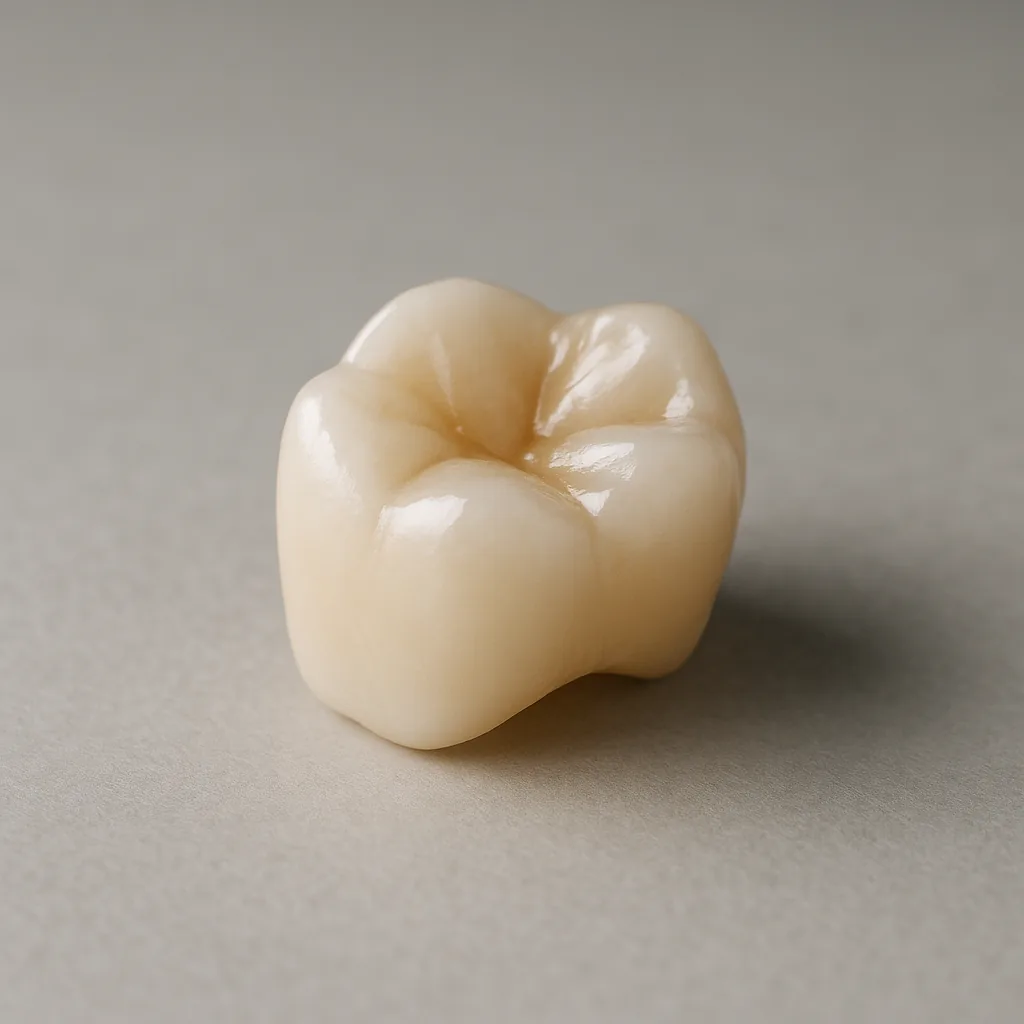
What drives the cost of a four-unit dental bridge in South Africa?
The cost depends on the material selected, the dental laboratory work, the condition and number of supporting teeth, and the complexity of the design. Preparatory care, such as treating decay or gum problems, can also affect the overall plan. The expected lifespan and maintenance needs are relevant when comparing options, since a bridge requires ongoing care and may need repair or replacement over time.
As a relative guide, simpler material and laboratory requirements may sit in the $ tier, a more involved combination in the $$ tier, and more complex or premium material and laboratory work in the $$$ tier. These tiers describe relative treatment inputs, not a quoted fee. An exact, personalised estimate is given after the consultation, in writing, before any treatment starts.
Who might be suitable for a four-unit bridge?
A bridge may be considered when teeth are missing and the neighbouring teeth can provide appropriate support, or when implants are part of the planned support. Healthy gums, a manageable bite and enough sound tooth structure are important considerations. A bridge may not be suitable if the proposed supporting teeth are weak or if untreated dental or gum problems need attention first.
Other possibilities may include an implant-supported restoration or a removable option. The right choice depends on your oral health, preferences and clinical findings. Dr Chalita le Roux discusses these factors with you after an examination and any necessary imaging.
What happens during assessment and bridge treatment?
At your consultation, Dr Chalita le Roux examines the gap, supporting teeth, gums and bite, and reviews imaging if it is needed. You can discuss the proposed design, material choices, likely stages and care requirements. The practice aims to provide personalised care from one dentist from assessment through treatment, so your plan is discussed with the clinician who will care for you.
Treatment may involve preparing supporting teeth, taking impressions or digital scans, and arranging laboratory fabrication before the bridge is fitted and adjusted. The practice uses digital scanning and CEREC CAD/CAM for many suitable crowns and veneers, which can reduce repeat visits for those treatments. A four-unit bridge may require laboratory work and more than one visit; we confirm the workflow for your case at consultation.
What are the risks and how do I care for a dental bridge?
Possible concerns include sensitivity, discomfort, damage to the bridge, decay or gum problems around supporting teeth, and changes in how the bite feels. The supporting teeth carry additional demands, and a bridge can require repair or replacement over time. Your individual risks depend on your oral health and the design, so we assess them in person and explain how to reduce them.
Brush twice daily with fluoride toothpaste and clean carefully around and beneath the bridge using suitable interdental aids as advised. Attend recommended reviews and contact the practice if the bridge feels loose, causes persistent discomfort or becomes damaged. Good daily cleaning and professional monitoring help protect the bridge and the teeth supporting it.
Relative cost tiers and what can influence a four-unit bridge plan
| Cost tier | What it may involve | What to discuss |
|---|---|---|
| $ | A comparatively straightforward material and laboratory plan, where clinically appropriate. | Suitability, support tooth condition and expected maintenance. |
| $$ | A more involved material choice or laboratory process for the planned bridge. | Design, bite requirements and any preparatory care. |
| $$$ | More complex planning, premium material requirements or additional laboratory work. | Clinical complexity, alternatives and long-term care needs. |
Related pages
General Dentistry · Contact Us · All treatments & service areas
Frequently asked questions
How much does a four-unit dental bridge cost in South Africa?
There is no single fee that applies to every four-unit bridge. Cost is affected by the material, laboratory work, the condition of the supporting teeth, the complexity of the design and any preparatory treatment. The appropriate plan can only be determined after an examination. An exact, personalised estimate is given after the consultation, in writing, before any treatment starts.
What does four-unit mean in a dental bridge?
Four-unit refers to four connected crown units in the restoration. It does not automatically mean that four teeth are missing: the bridge may include replacement teeth and crowns that fit over supporting teeth or implants. The exact design depends on the gap, bite and available support. Dr Chalita le Roux assesses these details in person and explains what the proposed units would do in your case.
Can a four-unit bridge replace several missing teeth?
It can be designed to replace missing teeth in a row, but the number of teeth replaced and the way the bridge is supported depend on your mouth. The supporting teeth or implants must be suitable for the forces involved. An examination and, where needed, imaging help determine whether a bridge is appropriate or whether another restoration should be considered.
Is a dental bridge or an implant-supported restoration right for me?
Both may be considered for replacing missing teeth, but they differ in support, treatment steps, maintenance and suitability. A bridge may rely on neighbouring teeth, while an implant-supported restoration relies on implants placed in the jaw. Your gum and bone health, bite, medical and dental history, preferences and the condition of nearby teeth all matter. We assess this in person before recommending an option.
How many visits does a four-unit bridge take?
The number of visits depends on the bridge design, whether supporting teeth need preparation or other care, and the laboratory workflow. A bridge that requires laboratory fabrication may involve separate appointments for preparation, fitting and adjustment. Digital scanning can support planning, but it does not mean every bridge can be completed in one visit. Your dentist will outline the expected stages after assessment.
How long can a four-unit dental bridge last?
A bridge’s lifespan varies with its materials, design, bite forces, oral hygiene and the health of the supporting teeth and gums. Bridges can need repair or replacement, so no specific lifespan can be promised for an individual case. Regular reviews and careful cleaning around and beneath the bridge help your dentist monitor its condition and address concerns early.
What should I do if my bridge feels loose or uncomfortable?
Contact the practice for advice and an assessment if your bridge feels loose, causes persistent discomfort or is damaged. Avoid trying to adjust or reattach it yourself, and take care when eating until you have received guidance. A dentist can check the bridge, supporting teeth and bite to identify the cause and discuss appropriate next steps.
Where can I discuss a four-unit bridge in Roodepoort?
Dr Chalita le Roux Inc is at Unit 2 Amorosa Office Park, Amorosa, Roodepoort, Johannesburg. Dr Chalita le Roux, BChD cum laude from the University of Pretoria and an SAAAD member, provides personalised care from assessment through treatment. The nearby practice offers digital scanning and CEREC CAD/CAM for many suitable crowns and veneers; the workflow for a bridge is confirmed after an in-person assessment.
Book a consultation
To discuss 4 unit dental bridge cost south africa with Dr Chalita le Roux, WhatsApp us on 083 710 9131, call 071 884 3204, or send us a message. We are in Amorosa, Roodepoort, open Monday to Friday, 08:00 to 17:00, with free on-site parking.
Written and clinically reviewed by Dr Chalita le Roux, BChD cum laude (University of Pretoria, 2020), HPCSA DP 0118702, member of the South African Academy of Aesthetic Dentistry. In private practice in Roodepoort since 2022.
This page is general information, not a diagnosis or treatment plan. What is right for your teeth is decided at a consultation with a registered dental practitioner.