If you have searched for “teeth whitening johannesburg”, you are looking for a plain-language answer to a real question. This guide walks through what the topic involves, what determines outcomes for an individual case, and how we approach this kind of treatment at Dr Chalita le Roux Inc. in Roodepoort. The aim is to give you enough information to decide whether to book a no-obligation consultation – and to know what to ask when you do.
The question behind the question
Most patients searching for “teeth whitening johannesburg” are really asking two underlying questions: is this the right approach for my case, and how do I find a dentist who will be straight with me about the answer. This post is structured around those concerns rather than around generic marketing claims.
What you need to know
Below is the educational core – the information that helps you make a sensible decision before you talk to a dentist. The supporting terms covered here include in-chair whitening.
The honest answer to most questions about “teeth whitening johannesburg” is “it depends on your case.” What it depends on includes: the underlying clinical condition, the materials and techniques chosen, the experience of the clinician, and what you are trying to achieve. A consultation lets us see your case and give a specific answer rather than a generic range.
The Dr Chalita approach
At our Roodepoort practice, we approach cases related to “teeth whitening johannesburg” with three principles. First, we use a digital workflow where suitable: CEREC CAD/CAM for same-day ceramic restorations, Digital Smile Design for cosmetic case planning, and digital impressions instead of conventional putty trays. Second, we provide a written treatment plan before any work begins, in line with HPCSA transparency guidelines. Third, our single-dentist practice means the clinician you consult with is the same clinician who performs every step of treatment – there are no hand-offs between practitioners mid-case.
Dr Chalita le Roux is BChD cum laude (University of Pretoria, 2020), HPCSA-registered (DP 0118702), and a member of the South African Academy of Aesthetic Dentistry (SAAAD). The practice is in Amorosa, Roodepoort, with free on-site parking, and welcomes patients from Roodepoort, Krugersdorp, Honeydew, Cresta, Fourways, Randburg, Ruimsig, Eagle Canyon, and the wider West Rand.
What this typically costs and what determines the tier
Treatments at our practice fall into broad cost tiers, indicated below with dollar signs rather than specific numbers because every case is different. After your consultation we provide a written treatment plan with a specific quote in Rand.
- $ – routine treatment: general dental check-ups, hygiene, simple fillings, basic extractions.
- $$ – moderate treatment: composite veneers per tooth, single ceramic crowns, in-chair whitening, root canal therapy.
- $$$ – significant treatment: multi-tooth porcelain veneers, single dental implants with crown, multi-stage cosmetic work, complex restorative cases.
- $$$$ – major treatment: full-arch dental implants (All-on-4), full smile makeovers, multi-visit reconstruction.
Cost in your case depends on the underlying clinical condition, the materials and techniques chosen, the number of teeth or stages involved, and how the plan fits your specific situation. The practice does not bill medical aid directly – we provide a detailed practice statement which you submit to your scheme for reimbursement directly. Payment is by EFT, card, or cash on the day.
Treatment time also varies. Same-day options (single CEREC crowns, single composite veneers, in-chair whitening) are often completed in one visit. Multi-stage treatment may need two to five visits across several weeks. We sequence the plan to fit your schedule wherever possible. Follow-up: most cosmetic and restorative work, six-month routine check-ups and an annual cleaning; implant cases, an early review at four to six weeks then annual recall.
Professional teeth whitening in Roodepoort and Johannesburg
If you are looking for teeth whitening in Johannesburg but prefer a calm, accessible setting, having treatment in Roodepoort can make sense. At Dr Chalita le Roux Inc. in Amorosa Office Park, whitening is carried out by a dentist who understands both the cosmetic goals and the underlying oral health. Before anything is whitened, your teeth and gums are examined to check for decay, leaking fillings, gum disease or cracks that could make whitening uncomfortable or unsafe.
Professional whitening uses prescription-strength gels that are carefully measured, isolated from your gums, and activated under controlled conditions in the chair. The aim is a natural-looking shade that suits your skin tone and age, not an artificial white that draws the wrong kind of attention. If needed, whitening can also be combined with other cosmetic treatments available at the practice, such as veneers, clear-aligner treatment or CEREC same-day crowns, as part of a broader smile makeover plan.
The practice is located at Unit 2, Amorosa Office Park, on the corner of Doreen Road and Lawrence Road in Roodepoort, with free on-site parking and appointments during office hours from Monday to Friday. Consultations are available in English and Afrikaans. You can phone 071 884 3204 or 011 568 8285 to find out whether in-chair or take-home whitening is more appropriate for your teeth and lifestyle, and how whitening could fit into a longer-term plan for your smile.
What professional teeth whitening can do for your smile
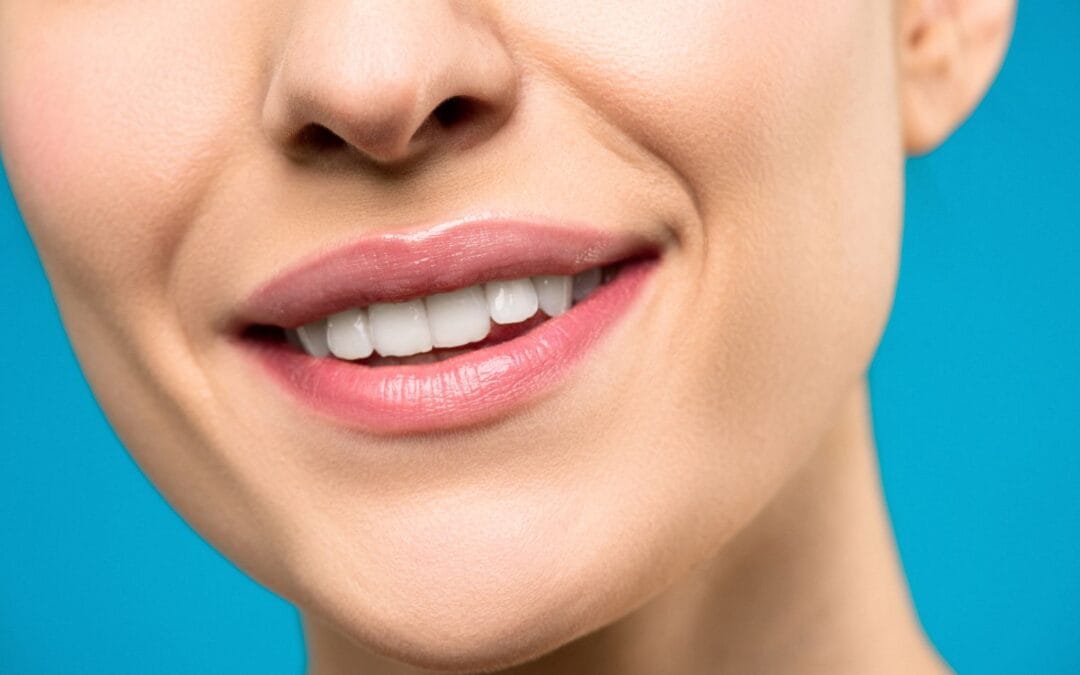
Professional teeth whitening can noticeably freshen your overall appearance with relatively little time in the chair. By lightening the internal pigments in the enamel and dentine, whitening can reduce many common yellow and brown surface stains caused by coffee, tea, red wine and tobacco. For many patients, this makes the smile look cleaner, more even and more youthful, without altering the shape or position of the teeth.
In a cosmetic context, whitening is often the first step before other treatments. At Dr Chalita le Roux Inc., whitening may be used to set a new baseline shade before veneers, composite bonding, CEREC crowns or clear-aligner treatment are planned. This helps your dentist match any new restorations to a brighter, more desirable tooth colour, so they blend in naturally. In some cases, whitening alone can be enough to meet a patient’s goals, avoiding more invasive work.
Whitening can also help reduce the contrast between darker teeth and older fillings or crowns, although the existing dental work itself will not change colour. This sometimes highlights the need to replace obvious front fillings or crowns so that everything matches your new shade. Used thoughtfully, whitening is a useful tool to improve confidence in photos, at work and in social settings. The key is to approach it with realistic expectations and a clear understanding of what it can and cannot achieve for your specific smile.
Why teeth stain and lose their natural whiteness
Teeth rarely stay the same shade throughout life. Enamel is slightly porous, and the underlying dentine naturally darkens with age. Over time, microscopic pigments from what you eat and drink are absorbed into the tooth surface. Everyday culprits include coffee, tea, red wine, curry, berries and dark sauces. Smoking or vaping can add yellow-brown tar and nicotine staining, especially near the gumline and between teeth where plaque is more likely to collect.
There are also internal reasons for discolouration that have nothing to do with lifestyle. Trauma to a tooth can cause the nerve to die and the tooth to take on a grey or brown hue. Certain medications taken in childhood, developmental enamel defects, and large, older metal fillings or root canal treatments can all change the colour of individual teeth. In these cases, standard whitening may have limited effect, and other restorative or cosmetic options might be more appropriate.
Daily habits play a big role. Inconsistent brushing and flossing allow plaque to harden into tartar, which attracts stains more easily. Skipping regular professional cleanings allows this to build up further. Acidic drinks such as soft drinks and energy drinks can erode enamel, thinning it so that the more yellow dentine shows through. Understanding why your teeth have darkened is the first step in choosing the right whitening approach and deciding whether whitening alone is likely to give you the result you want.
Teeth whitening options offered in Johannesburg
Patients in Johannesburg generally have two main professional whitening options when they visit a Roodepoort-based dentist like Dr Chalita le Roux Inc.: in-office whitening and custom take-home whitening trays. Both use prescription-strength gels, but they differ in how the whitening is delivered and how quickly results are seen.
In-office whitening is done in the dental chair under close supervision. After a thorough clean and shade recording, your gums and soft tissues are protected and the whitening gel is applied to the teeth. Depending on the system and the starting colour of your teeth, the gel is activated and refreshed in one or several short cycles during a single appointment. This option is popular for patients wanting faster, more noticeable change before a special event or as a first step in a larger cosmetic plan.
Custom take-home trays involve taking accurate impressions or digital scans of your teeth. From these, snug-fitting trays are made that hold the whitening gel evenly against your teeth while keeping it off your gums. You then use the trays at home as instructed, usually over a period of days to weeks. This approach allows more gradual change, with the ability to pause and restart as needed. In some cases a combination approach is recommended: a single in-office session to create a jump in shade, followed by take-home trays to refine and maintain your result.
What to expect from your in‑office whitening appointment
Your in-office whitening visit at Dr Chalita le Roux Inc. starts with a short consultation. The dentist checks your teeth, existing fillings and gums, and confirms that whitening is suitable for you. Any active decay, untreated gum disease or problematic cracks usually need attention first. A shade guide and photos may be used to record your starting colour so that you can see the difference afterwards.
Once you are comfortable in the chair, your lips and cheeks are gently retracted and a protective barrier is placed over the gums. The whitening gel is then applied carefully to the front surfaces of your teeth. Depending on the specific product used, the gel is left in place for a set time before being suctioned away and replaced for another cycle. The dentist monitors your teeth and your comfort throughout, adjusting contact time or gel strength if you experience sensitivity.
After the final cycle, the gel and barriers are removed, your teeth are rinsed, and your new shade is checked. You may receive instructions about what to avoid eating or drinking for the next 24–48 hours, as well as how to manage any temporary sensitivity at home. If you are also having custom trays made, impressions or scans may be taken in the same visit. The whole appointment typically fits within a standard consultation block, so you can return to work or home afterwards with minimal disruption.
Is teeth whitening safe and will it hurt?
When carried out under dental supervision, professional teeth whitening is generally considered safe for healthy teeth and gums. The gels are designed to penetrate enamel and lighten internal pigments without structurally damaging the tooth. Before recommending whitening, a dentist checks for untreated decay, gum disease, thin enamel and exposed roots, because these issues can increase the risk of discomfort or uneven results if not managed first.
The most common side effect is temporary sensitivity to cold or air, typically during or shortly after treatment. This usually settles within a few days as the teeth rehydrate. Your dentist may suggest using a desensitising toothpaste before and after your whitening, spacing out at-home sessions, or adjusting the strength and contact time of the gel to make treatment more comfortable. Mild gum irritation can occur if the gel comes into contact with the soft tissues, which is why careful isolation in the chair and well-fitting custom trays are important.
Whitening is not suitable for everyone. Pregnant or breastfeeding patients, individuals with certain types of enamel defects, and those with many visible crowns or veneers may be advised to postpone or consider alternative cosmetic options. Honest discussion about your dental history, expectations and tolerance for possible sensitivity will help you and your dentist decide whether whitening is appropriate for you at this stage.
- Who is a good candidate for teeth whitening?
Frequently asked questions
How do I get whiter teeth in Johannesburg?
To get whiter teeth in Roodepoort and Johannesburg, the safest option is professional whitening with a dentist. At Dr Chalita le Roux Inc., we start with a dental check-up to make sure whitening is suitable, then use controlled whitening gels to lighten internal stains that toothpaste and over-the-counter kits cannot reach. We can combine in-chair treatment with custom take-home trays for longer-lasting results. Phone 071 884 3204 to schedule a consultation during weekday office hours.
Is professional teeth whitening safe for my enamel?
When done by a dentist, professional teeth whitening is designed to be safe for your enamel. At Dr Chalita le Roux Inc., we first check for decay, cracks, gum disease, and existing restorations. We then protect your gums and carefully control the strength and contact time of the whitening gel. Whitening lifts stains from the tooth surface; it does not remove enamel. However, weakened or heavily worn teeth may need other treatments instead of, or before, bleaching.
Does teeth whitening cause pain or sensitivity?
Some patients feel temporary sensitivity during or after teeth whitening, especially to cold. At Dr Chalita le Roux Inc., we look for existing sensitivity, gum recession, cracks, or large fillings before we start. If you are prone to sensitivity, we can adjust the whitening strength, shorten exposure times, or use desensitising products. Any discomfort usually settles within a few days. If you have strong, lasting pain, it is important to contact us so we can assess and manage it properly.
How long does teeth whitening take in the dental chair?
In most cases, in-chair teeth whitening fits comfortably into a single appointment. At Dr Chalita le Roux Inc. in Roodepoort, you can expect to be in the dental chair for roughly one to two hours, including your shade check, gum protection, several whitening cycles, and a final colour comparison. The whitening gel itself is applied in short, repeated intervals. If your teeth are very sensitive or you need extra breaks, we may spread treatment over more than one visit.
How long do professional teeth whitening results last?
Whitening results are long-lasting but not permanent. Most patients enjoy a brighter smile for many months to a few years, depending on coffee, tea, red wine, smoking, and oral hygiene habits. At Dr Chalita le Roux Inc., we often recommend a good home routine, regular professional cleanings, and occasional touch-ups with custom trays to maintain your shade. If your lifestyle includes frequent staining foods or drinks, you may notice the colour softening sooner and need more regular top-ups.
What is the difference between in‑office whitening and take‑home trays?
In-office whitening is done in the dental chair, using higher-strength gel under close supervision for faster, more noticeable results in a single visit. Take-home trays use custom-fitted mouth trays and lower-strength gel that you apply yourself over days or weeks. At Dr Chalita le Roux Inc., in-chair treatment suits patients wanting quick change, while trays allow gradual lightening and convenient top-ups. Many people choose a combination approach: in-office whitening first, then trays to maintain the new shade.
Am I a good candidate for teeth whitening treatment?
You may be a good candidate for teeth whitening if your teeth and gums are generally healthy, you have yellow or light brown staining, and you do not have many visible crowns or fillings on front teeth. At Dr Chalita le Roux Inc., we first check for decay, gum disease, cracks, and sensitivity. Whitening does not change the colour of crowns, veneers, or fillings, so some patients may need a broader cosmetic plan, including restorations, for an even result.
How much does teeth whitening cost in Johannesburg on a $ to $$$ scale?
In Roodepoort and Johannesburg, professional teeth whitening typically falls in the $ to $$$ range, depending on the type of treatment. At Dr Chalita le Roux Inc., in-chair whitening usually sits around the $$ level, custom take-home trays closer to $, and combination packages or more complex cosmetic plans can reach the $$$ range. After your assessment, we provide a clear treatment plan and a detailed practice statement, which you submit to your medical scheme for any possible reimbursement.
Can teeth whitening remove all stains and discoloration?
Teeth whitening can remove many surface and internal stains, especially those from coffee, tea, tobacco, and natural ageing. However, not all discolouration responds equally. Grey or tetracycline-type staining, fluorosis, and darkening from trauma or large fillings may lighten only partially or not at all. At Dr Chalita le Roux Inc., we assess the cause of your staining first and may recommend alternatives like veneers, bonding, or crowns if bleaching alone cannot achieve a predictable improvement.
What should I avoid eating or drinking after teeth whitening?
After whitening, your teeth are more vulnerable to new stains for the first 24–48 hours. We usually advise a short-term “white diet”: avoid coffee, tea, red wine, coloured cooldrinks, beetroot, curries, dark sauces, and tobacco. Choose water, milk, and light-coloured foods instead. Also avoid very hot or very cold items if your teeth feel sensitive. Good brushing and flossing, plus regular professional cleanings at Dr Chalita le Roux Inc., help maintain your brighter result.
Book a consultation
To book a no-obligation consultation about “teeth whitening johannesburg” or any related concern, please WhatsApp us on 083 710 9131, call +27 71 884 3204, or email info@drchalitaleroux.co.za. We respond within two business days, Monday to Friday 08:00 to 17:00.
Related reading on our site: Dentist in Roodepoort · Contact and booking form · About Dr Chalita le Roux